
The combination of intense afternoon heat and rapid atmospheric cooling makes July the peak month for severe thunderstorms, frequent lightning strikes, and sudden voltage surges in South Florida. While clean energy systems are physically built to handle regional weather patterns, the sophisticated power electronics inside central inverters are highly sensitive to external electrical disruptions. Property owners utilizing SolarEdge system architectures benefit from advanced module-level optimization, but their central component serves as the central point for managing high electrical voltages. When a severe tropical storm rolls through Miami-Dade, identifying errors quickly helps minimize the duration of system outages during peak harvesting season. Knowing what specific system issues to look for allows you to determine whether a simple operational sequence can restore power or if you need to call a professional team for an inspection. At GC Solar & Electric, our certified solar technicians Miami-Dade specialize in modern diagnostics, providing advanced system restorations to protect your investment from unpredictable summer weather.
Scenario 1: Grid Surge Events and Inverter Isolation Failures
The most common issue reported after a severe summer storm is an isolation fault, which usually displays on your SolarEdge monitoring interface as an Isolation Error or Error Code 18×31. SolarEdge systems are built with sensitive safety circuits that constantly measure the electrical insulation resistance between the direct current wiring, the solar modules, and the grounding system of the property.
During heavy downpours, water can seep into older conduit lines, deteriorated junction boxes, or compromised roof penetrations. If moisture touches an active electrical connection or a wire with degraded insulation, the system immediately registers a drop in resistance and shuts down for safety. This crucial safety feature prevents severe shock hazards or fire risks on the roof. Resolving an isolation failure requires searching for professional solar panel repair near me diagnostics. Field teams utilize specialized insulation resistance testers to safely isolate individual electrical strings, pinpoint the location of the moisture entry, replace damaged conductors, and reseal all structural enclosures.
Scenario 2: Inductive Lightning Strikes and Damaged Surge Protection Devices
South Florida experiences some of the highest rates of lightning strikes in the United States. A direct strike on a residential property is rare, but nearby strikes can introduce high transient voltages into the local electrical infrastructure. This sudden power spike travels through the FPL distribution lines or your home’s grounding system, heading straight into your central inverter.
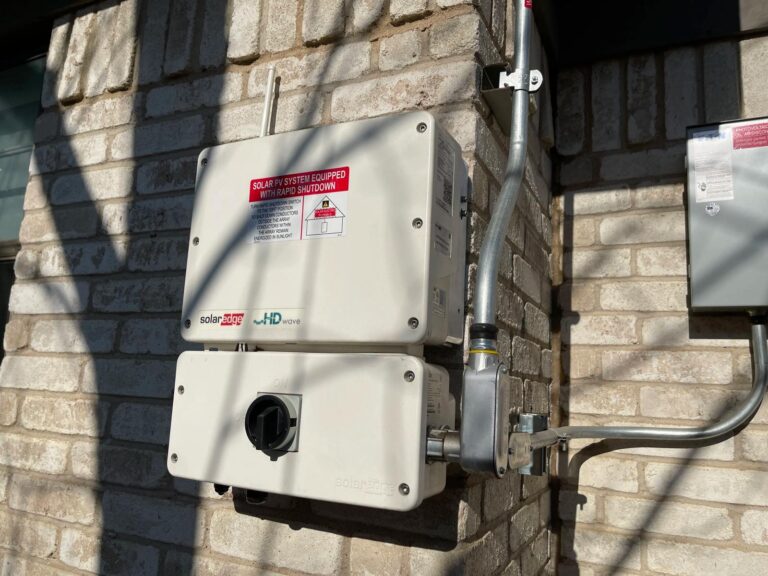
SolarEdge inverters feature built-in surge protection components designed to absorb these sudden energy spikes and safeguard the core processing circuit boards. When a major surge occurs, these protective devices sacrifice themselves to block the high voltage from ruining the main unit. This leaves the inverter locked in a safe, non-operational state, often accompanied by a blank display screen or a solid red error light. When addressing this level of solaredge inverter troubleshooting, it is critical to avoid opening the unit yourself due to high residual voltage risks stored inside the capacitors. Specialized emergency solar panel repair Miami technicians will safely open the lower safety switch enclosure, test the condition of the internal components, replace the spent surge protection modules, and re-commission the central inverter back to active production.
Scenario 3: FPL Grid Fluctuations and AC Voltage Sensing Disconnects
The third common scenario involves minor, temporary power issues related to grid instability during regional storm events. When high winds knock tree branches into power lines or lightning strikes regional distribution hardware, the local FPL grid frequency and voltage levels can fluctuate rapidly.
SolarEdge inverters constantly monitor the quality of the utility grid’s alternating current to ensure safe synchronization. If a storm causes the grid voltage to spike too high or drop too low, the inverter instantly disconnects itself from the grid to protect your home’s electronics, displaying a Grid Monitoring or HW Error code. In many instances, once the utility company stabilizes the regional grid lines, the inverter will automatically complete its standard five-minute countdown sequence and resume power production on its own. However, if the grid spike was severe enough to trip the main breaker dedicated to your solar array inside your home’s central electrical panel, the inverter will remain off indefinitely. Homeowners can safely check their main breaker board to see if the solar circuit breaker has flipped, resetting it once to see if it restores standard operation. If the breaker immediately trips again, stop and call a professional to prevent serious electrical damage.
How can I check the active operating status of my SolarEdge inverter if my monitoring app goes offline?
You can view the physical status LEDs located on the bottom or front of the inverter case. A solid green light indicates normal production, a blinking green light means the grid is being monitored, and a solid red light indicates a specific system error code.
Is it safe to manually turn my SolarEdge inverter off and back on after a major storm?
Yes, you can safely perform a standard restart by turning the red or black operational switch on the front of the unit to the off position, waiting two minutes, and turning it back on to clear temporary errors.
What should I do if my monitoring app shows my solar panels are working but the inverter communication is down?
This typically indicates that your home’s Wi-Fi router or cellular signal was temporarily interrupted by the storm. The inverter will continue to generate power normally while waiting for the internet connection to reconnect.
Do product warranties cover inverter repairs caused by lightning strikes or grid surges?
Standard manufacturer equipment warranties generally exclude damage caused by natural disasters or external grid surges, but these events are frequently covered under your standard homeowner property insurance policy.
How can I better protect my expensive solar electronics from unpredictable summer storm damage?
Installing a comprehensive, whole-home surge protection device at your main electrical service panel helps block high external voltage spikes before they can reach your inverter or household appliances.
 Call Us Now (305) 723-9806
📞(305) 723-9806
Lower your Electric bill and increase your home value. Fast installation. Trusted local experts.