Solar Panel Technician Near Me: What Is PID and How Miami's July Heat Accelerates Panel Degradation

The sustained atmospheric heat of July in South Florida marks an incredibly harsh operational period for residential photovoltaic systems. While high solar radiance levels provide the raw input needed for peak power generation, the accompanying thermal loads accelerate specialized degradation mechanisms that often remain hidden from standard diagnostic software. Among these complex phenomena, Potential Induced Degradation (PID) stands out as one of the most destructive factors affecting modern solar arrays. When extreme heat increases internal electrical vulnerabilities, a system can experience substantial losses in power generation. Mitigating this electroquímica breakdown demands advanced diagnostic tools and field protocols managed by licensed electrical professionals.

At GC Solar & Electric, we combine deep-level material science with practical electrical engineering to combat these climate-driven performance losses. We operate as a comprehensive, state-licensed electrical firm, meaning our technical divisions look past superficial performance reports to examine the physical health of your system’s circuits. Our field teams understand the precise structural and electrical factors that cause internal current leaks under intense environmental stress. Whether your system requires active polarization adjustments or localized structural rewiring, securing a qualified solar panel technician near me is the most effective way to safeguard your investment and keep your system running at peak capacity through the summer. To request a detailed diagnostic scan or a comprehensive code-compliance review of your system’s insulation values, visit www.gcsolarelectric.com


The Electrochemistry and Physics Behind Potential Induced Degradation

Potential Induced Degradation is an advanced electroquímica phenomenon that occurs when a high voltage differential builds up between the active photovoltaic cells of a module and its grounded aluminum frame. This voltage tension forces stray sodium ions to migrate from the glass layer directly into the silicon structure of the solar cells.


The extreme heat of mid-summer accelerates this destructive ionic movement significantly. As temperatures rise, the internal resistance of the protective materials drops, making it much easier for stray electrical currents to leak out of their intended pathways. This influx of misplaced ions disrupts the normal photovoltaic effect, restricting the cells from converting sunlight into electricity efficiently. Left unchecked by a qualified provider of solar panels repair near me, PID can cause localized string failures and lead to massive drops in total power production across your entire array.


Utilizing Advanced Field Diagnostics to Locate Hidden Losses

Because Potential Induced Degradation operates on a microscopic scale within the solar cell layers, it cannot be identified through simple visual inspections. Proactive detection requires specialized diagnostic workflows executed during full daylight operations.


When executing a dedicated solar panel repair near me protocol, our technical groups employ two main forensic methods. First, we perform daytime open-circuit voltage testing on individual solar strings to track down unexpected voltage drops across the array. Second, we utilize advanced outdoor electroluminescence imaging and high-resolution thermal scanning. These tools allow us to pinpoint exact patterns of power loss and isolate heat signatures caused by short-circuited cells. Identifying these patterns early allows property owners to resolve electrical imbalances before they trigger permanent degradation or expensive component replacements.


Professional Restoration Protocols and Active Regeneration

Once our field teams confirm the presence of PID, specialized engineering steps must be taken to reverse the ionic migration and restore the system’s structural performance balance. Simply replacing a single module without addressing the underlying voltage imbalance is an incomplete fix that leaves the remaining system vulnerable to ongoing damage.


Our certified solar technicians Miami-Dade homeowners rely on utilize specialized anti-PID turnaround devices to restore affected arrays. These hardware units work by safely applying a counter-voltage to the solar string during the night, reversing the daytime electrical tension. This nightly polarization forces the stray sodium ions to migrate out of the silicon structure and back into the glass layer, effectively regenerating the cell’s original generation capacity. Furthermore, we install specialized grounding configurations that prevent these voltage imbalances from reforming during future summer heatwaves.


Safeguarding Your System Asset with Proactive Maintenance

Addressing electroquímica degradation demands a comprehensive approach that combines localized equipment tuning with regular structural checkups. Relying on basic cleaning services or uncertified contractors often leads to overlooked system faults, creating real fire hazards and voiding manufacturer hardware protections.


A premium solar service protocol includes continuous insulation resistance tracking to ensure your high-voltage pathways remain fully isolated from the elements. Our technical divisions ensure that every protective seal, grounding line, and circuit breaker matches the strict building codes and wind-load standards of South Florida. This focused engineering care protects your home, keeps your system running at peak performance, and ensures your investment delivers maximum returns for decades to come. Protect your energy assets from the harsh summer heat by scheduling an advanced technical system review at www.gcsolarelectric.com


FAQs About Solar Panel Technician Near Me

What exactly is Potential Induced Degradation (PID) in solar panels?

PID is an electroquímica phenomenon where a high voltage difference between the active solar cells and the grounded frame causes stray ions to migrate. This migration disrupts the cells’ ability to generate electricity, leading to significant power losses.


How does the high summer heat in South Florida accelerate PID?

Extreme temperatures lower the electrical resistance of the module’s internal insulation materials. This makes it much easier for stray electrical currents and ions to leak out and migrate under high voltage stress, accelerating the degradation process during July.


Can PID be reversed, or do I need to replace my degraded solar panels?

In most cases, PID can be successfully reversed without replacing the hardware. By installing specialized regeneration devices that apply a safe counter-voltage at night, technicians can pull the stray ions out of the cells and restore original power levels.


Will my standard system monitoring app show if my panels are suffering from PID?

Standard apps will only show a general drop in total power production, which can easily be mistaken for simple shading or dirt. Pinpointing PID requires specialized on-site diagnostics like thermal imaging or open-circuit voltage testing.


How can I prevent PID from developing on a new residential solar installation?

The most effective prevention is choosing premium, tier-one modules certified as PID-resistant, combined with a precise grounding configuration designed by a licensed electrical contractor to minimize high voltage differentials.


SolarEdge Inverter Troubleshooting: The 3 Most Common July Storm Failures and How to Respond

The combination of intense afternoon heat and rapid atmospheric cooling makes July the peak month for severe thunderstorms, frequent lightning strikes, and sudden voltage surges in South Florida. While clean energy systems are physically built to handle regional weather patterns, the sophisticated power electronics inside central inverters are highly sensitive to external electrical disruptions. Property owners utilizing SolarEdge system architectures benefit from advanced module-level optimization, but their central component serves as the central point for managing high electrical voltages. When a severe tropical storm rolls through Miami-Dade, identifying errors quickly helps minimize the duration of system outages during peak harvesting season. Knowing what specific system issues to look for allows you to determine whether a simple operational sequence can restore power or if you need to call a professional team for an inspection. At GC Solar & Electric, our certified solar technicians Miami-Dade specialize in modern diagnostics, providing advanced system restorations to protect your investment from unpredictable summer weather.

Scenario 1: Grid Surge Events and Inverter Isolation Failures

The most common issue reported after a severe summer storm is an isolation fault, which usually displays on your SolarEdge monitoring interface as an Isolation Error or Error Code 18×31. SolarEdge systems are built with sensitive safety circuits that constantly measure the electrical insulation resistance between the direct current wiring, the solar modules, and the grounding system of the property.


During heavy downpours, water can seep into older conduit lines, deteriorated junction boxes, or compromised roof penetrations. If moisture touches an active electrical connection or a wire with degraded insulation, the system immediately registers a drop in resistance and shuts down for safety. This crucial safety feature prevents severe shock hazards or fire risks on the roof. Resolving an isolation failure requires searching for professional solar panel repair near me diagnostics. Field teams utilize specialized insulation resistance testers to safely isolate individual electrical strings, pinpoint the location of the moisture entry, replace damaged conductors, and reseal all structural enclosures.


Scenario 2: Inductive Lightning Strikes and Damaged Surge Protection Devices

South Florida experiences some of the highest rates of lightning strikes in the United States. A direct strike on a residential property is rare, but nearby strikes can introduce high transient voltages into the local electrical infrastructure. This sudden power spike travels through the FPL distribution lines or your home’s grounding system, heading straight into your central inverter.


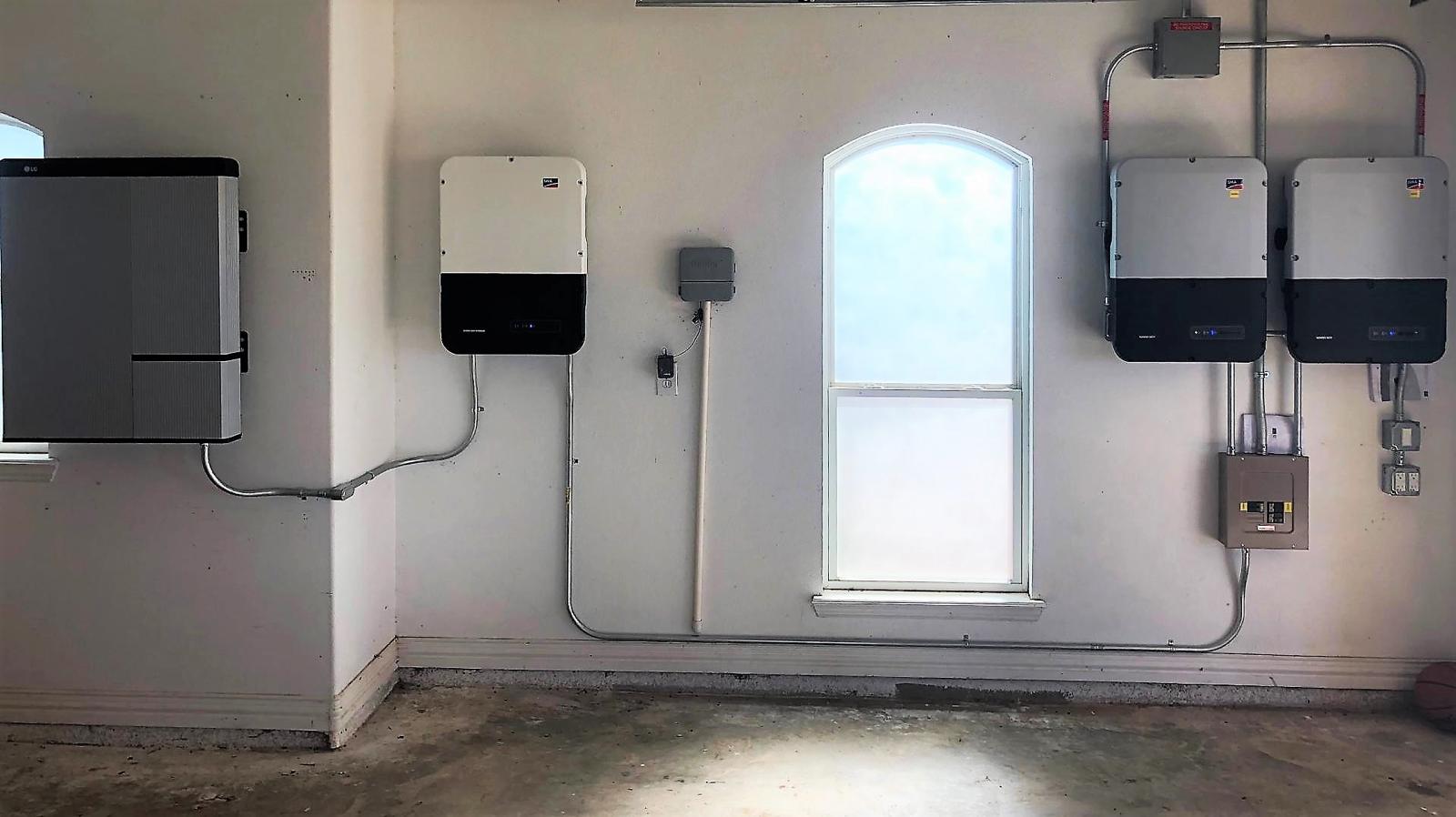
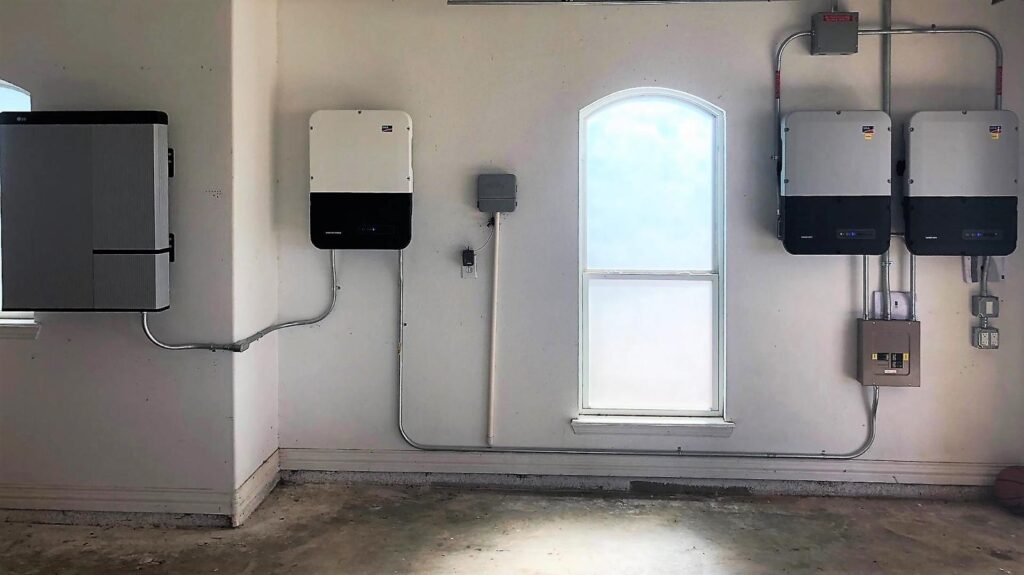
SolarEdge inverters feature built-in surge protection components designed to absorb these sudden energy spikes and safeguard the core processing circuit boards. When a major surge occurs, these protective devices sacrifice themselves to block the high voltage from ruining the main unit. This leaves the inverter locked in a safe, non-operational state, often accompanied by a blank display screen or a solid red error light. When addressing this level of solaredge inverter troubleshooting, it is critical to avoid opening the unit yourself due to high residual voltage risks stored inside the capacitors. Specialized emergency solar panel repair Miami technicians will safely open the lower safety switch enclosure, test the condition of the internal components, replace the spent surge protection modules, and re-commission the central inverter back to active production.


Scenario 3: FPL Grid Fluctuations and AC Voltage Sensing Disconnects

The third common scenario involves minor, temporary power issues related to grid instability during regional storm events. When high winds knock tree branches into power lines or lightning strikes regional distribution hardware, the local FPL grid frequency and voltage levels can fluctuate rapidly.


SolarEdge inverters constantly monitor the quality of the utility grid’s alternating current to ensure safe synchronization. If a storm causes the grid voltage to spike too high or drop too low, the inverter instantly disconnects itself from the grid to protect your home’s electronics, displaying a Grid Monitoring or HW Error code. In many instances, once the utility company stabilizes the regional grid lines, the inverter will automatically complete its standard five-minute countdown sequence and resume power production on its own. However, if the grid spike was severe enough to trip the main breaker dedicated to your solar array inside your home’s central electrical panel, the inverter will remain off indefinitely. Homeowners can safely check their main breaker board to see if the solar circuit breaker has flipped, resetting it once to see if it restores standard operation. If the breaker immediately trips again, stop and call a professional to prevent serious electrical damage.


FAQs About SolarEdge Inverter Troubleshooting

How can I check the active operating status of my SolarEdge inverter if my monitoring app goes offline? 

You can view the physical status LEDs located on the bottom or front of the inverter case. A solid green light indicates normal production, a blinking green light means the grid is being monitored, and a solid red light indicates a specific system error code.


Is it safe to manually turn my SolarEdge inverter off and back on after a major storm? 

Yes, you can safely perform a standard restart by turning the red or black operational switch on the front of the unit to the off position, waiting two minutes, and turning it back on to clear temporary errors.


What should I do if my monitoring app shows my solar panels are working but the inverter communication is down? 

This typically indicates that your home’s Wi-Fi router or cellular signal was temporarily interrupted by the storm. The inverter will continue to generate power normally while waiting for the internet connection to reconnect.


Do product warranties cover inverter repairs caused by lightning strikes or grid surges? 

Standard manufacturer equipment warranties generally exclude damage caused by natural disasters or external grid surges, but these events are frequently covered under your standard homeowner property insurance policy.


How can I better protect my expensive solar electronics from unpredictable summer storm damage? 

Installing a comprehensive, whole-home surge protection device at your main electrical service panel helps block high external voltage spikes before they can reach your inverter or household appliances.


Enphase Troubleshooting: How to Use Enlighten Data to Catch July Heat Performance Issues Early

The continuous atmospheric heat of July along the South Florida coast forces residential clean energy setups to operate under extreme thermal conditions. While traditional central inverters handle high voltage stress in a single location, decentralized architectures distribute the power conversion process across the entire rooftop. Utilizing microinverters under individual modules allows for granular control over production, but it also exposes each electronic unit to intense heat radiating directly off the roof tiles. Managing these high-temperature environments effectively requires a deep understanding of cloud-based monitoring diagnostics to prevent localized power de-rating from lowering your total summer energy production.


At GC Solar & Electric, we combine specialized diagnostic engineering with practical field maintenance to keep your advanced decentralized hardware fully optimized. We operate as a comprehensive, state-licensed electrical contracting and engineering firm, meaning our technical teams look past general production overviews to examine the individual health of every microinverter in your system. Our certified specialists understand how to read systemic thermal errors before they cause component damage or trigger expensive hardware replacements. Whether your system requires localized airflow adjustments or a full communications check, relying on an expert for enphase troubleshooting ensures your home energy production remains stable through the hottest weeks of summer. To schedule an advanced system diagnostic or to review your array’s real-time performance curves, visit www.gcsolarelectric.com


The Impact of Rooftop Heat on Individual Microinverter Performance

Decentralized architectures offer excellent protection against structural shading because a drop in one module’s output does not impact the rest of the solar string. However, because each microinverter is mounted directly beneath a hot solar panel, the ambient operating temperature inside the electronic housing can rise rapidly during a typical July afternoon.


When internal electronic temperatures exceed maximum safety limits, the microinverter activates a defensive feature known as thermal de-rating. To protect its delicate transistors from melting, the unit limits its maximum power conversion capacity. If your system is experiencing poor ventilation or has accumulated debris underneath the mounting racks, individual units will begin to clip their output early in the day. Partnering with an experienced solar panel technician near me allows for precise inspections of the physical spacing beneath your modules, ensuring adequate airflow to displace rising rooftop heat.


Essential Enlighten Portal Metrics to Monitor Weekly in July

The Enphase Enlighten platform provides homeowners with an elite window into the real-time health of their solar array. During the high-stress month of July, checking your cloud monitoring portal once a week is essential for catching thermal issues before they impact your utility bill.


When analyzing your system’s weekly data, look past the total kilowatt-hour overview and examine the individual module array layout view. Look for significant production imbalances where a single panel is generating notably less energy than its direct neighbors under identical sunlight. Next, check the events log for active warning flags such as “Grid Instability,” “DC Voltage Out of Range,” or specific temperature alerts. Spotting these small electronic variances early allows you to bring in a qualified team for enphase repair before a minor heat-related drop turns into a permanent hardware failure.


Resolving Power Line Communication (PLC) and Gateway Dropped Signals

A common issue that occurs during hot summer months is a temporary loss of communication between the individual microinverters on the roof and the main Envoy gateway controller inside your home. This problem is frequently caused by increased electrical noise on the home’s main power lines due to air conditioners running continuously at full capacity.


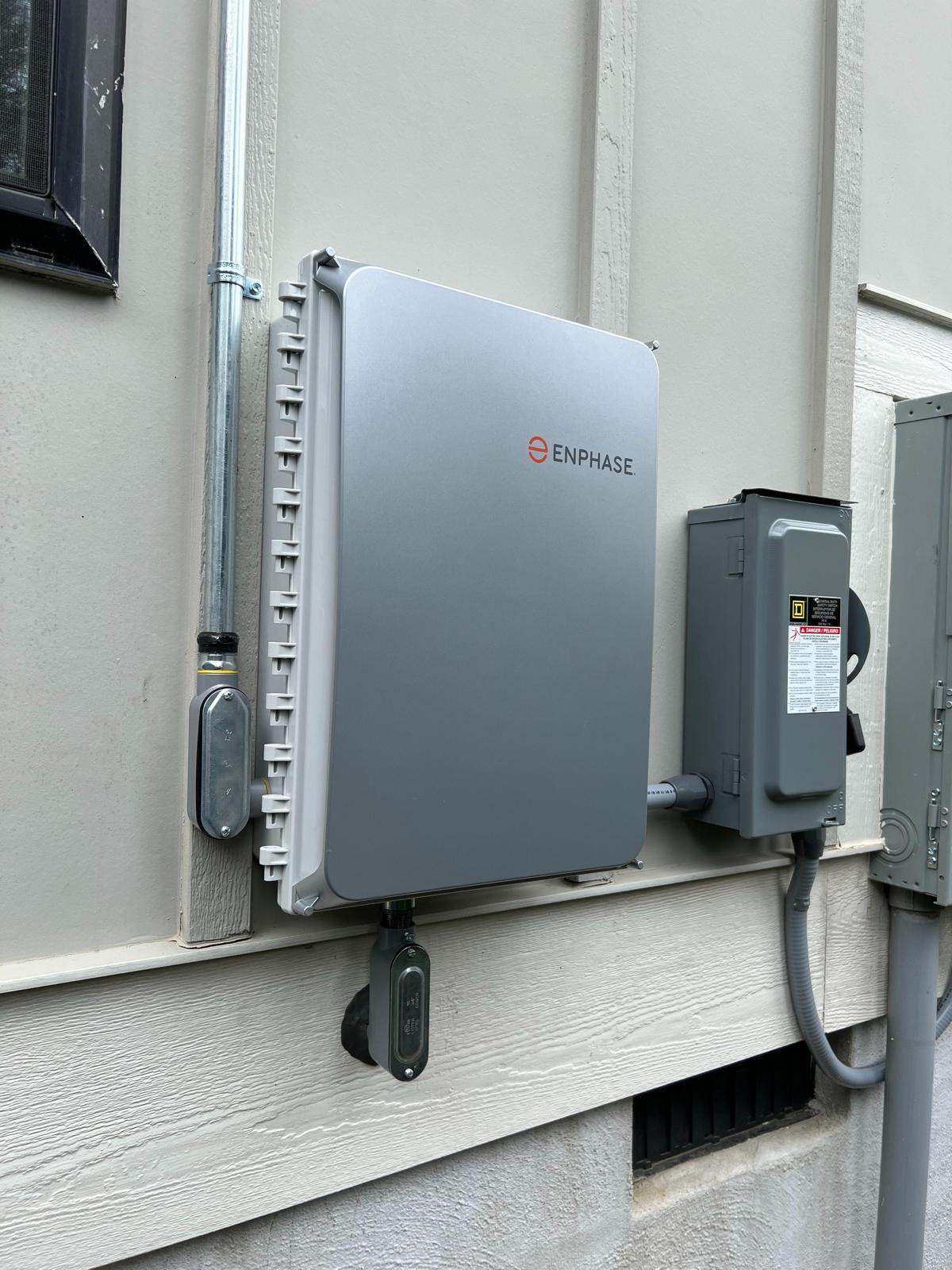
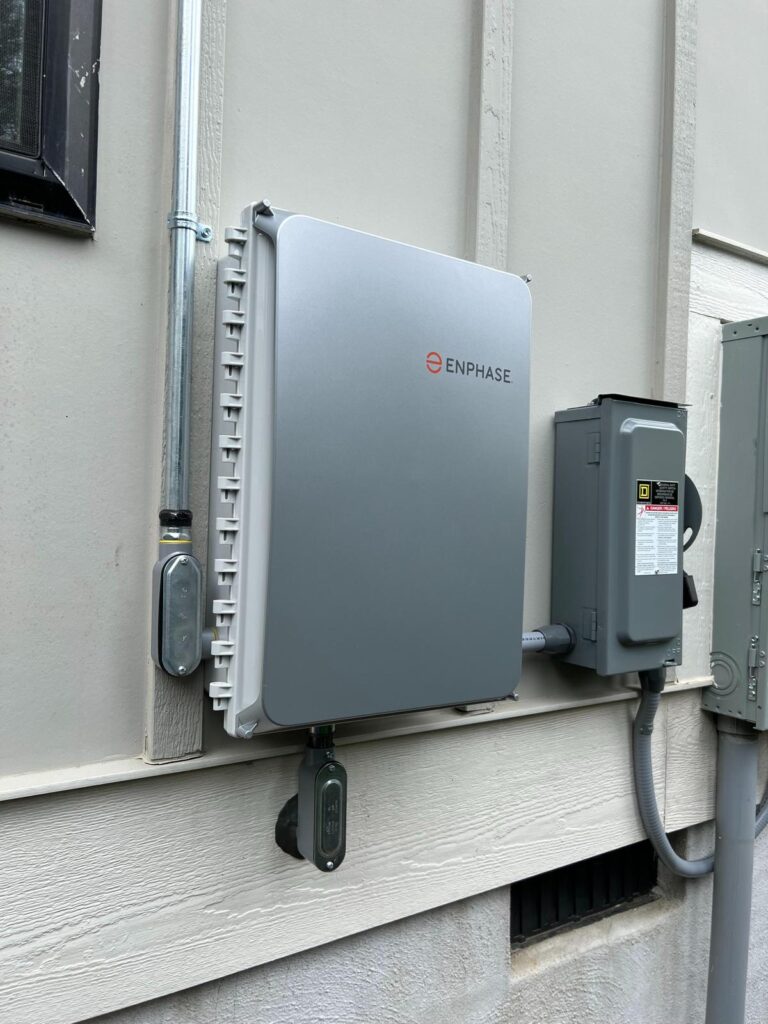
When a communication drop occurs, your Enlighten dashboard will display a “Devices Not Reporting” error message. While this alert can look alarming, it usually means the microinverters are still generating electricity but the gateway is simply unable to read the data over the noisy power lines. A true expert in enphase Installing and troubleshooting can isolate these communication pathways by installing specialized power line filters or adjusting the physical phase wiring inside your main electrical panel, restoring clean data transmission without interrupting your home’s power supply.


Certified Diagnostics and Preserving Hardware Protections

Addressing high-voltage microinverter issues requires specialized tools and technical certifications. Attempting to dismantle mounting racks or handle active DC connectors without proper training can result in dangerous electrical arc faults, permanent roof leaks, and the immediate cancellation of your 25-year manufacturer warranties.


Our team of certified solar technicians Miami-Dade property owners depend on performs every diagnostic step under strict safety and engineering standards. We verify all grounding paths, test input voltage parameters from the panels, and ensure your system maintains total compliance with strict local electrical codes. This careful oversight keeps your home safe and ensures your hardware delivers the maximum possible energy credits during the peak summer months. Keep your decentralized energy system fully protected against extreme heat by booking a professional technical evaluation today at www.gcsolarelectric.com


FAQs About Enphase Troubleshooting

What exactly is thermal de-rating in an Enphase microinverter?

Thermal de-rating is an automatic safety protocol where the microinverter reduces its power output to prevent internal components from overheating when rooftop temperatures exceed operational limits.


What does the “Devices Not Reporting” error mean in my Enlighten app?

This error means the main Envoy gateway has temporarily lost communication with one or more microinverters on the roof. It is usually caused by electrical interference from heavy appliance use and rarely means the panels have stopped producing power.


Can extreme summer heat cause a single microinverter to fail while the rest keep working?

Yes. Because microinverters operate independently, a single unit can suffer from thermal stress or hardware failure due to poor local airflow without affecting the energy production of the rest of the system.


How can I tell the difference between a dirty panel and a heat-damaged microinverter in the app?

A dirty panel will show a gradual, consistent decrease in energy production over several weeks. A microinverter suffering from thermal issues will typically show sudden, sharp drops in power output during the hottest hours of the afternoon, followed by a return to normal operation in the evening.


How does heavy air conditioning use affect my solar system’s monitoring data?

Continuous air conditioner use generates significant electrical noise along your home’s internal wiring. This noise can disrupt the power line communication (PLC) signals used by Enphase systems, occasionally causing temporary reporting delays in your app.

Solar Panels Repair Near Me: How Long Can You Afford to Wait for Summer Repairs in Miami?

A sudden system shutdown during peak summer can quickly escalate into an expensive operational failure. June, July, and August bring the highest temperatures and most demanding cooling loads of the year to South Florida. When a power inverter fails, a storm asset goes offline, or a critical system error code trips, searching for immediate solar panels repair near me is vital. Leaving a residential or commercial system inactive while the local grid experiences peak tiered pricing structure demands creates a compounding financial penalty. At GC Solar & Electric, our certified solar technicians Miami-Dade respond to summer system emergencies rapidly, ensuring your home or business stops losing money to high seasonal utility rates.

The Daily Financial Penalty of System Inactivity

When a solar array stops working in the middle of summer, the owner is penalized in two ways simultaneously: they lose the daily power generation that should be powering their home, and they must buy all their energy from the grid at maximum summer utility rates.


During peak summer, a standard 10 kW residential system in South Florida produces an average of 45 to 55 kWh of clean energy per day. If that system goes completely offline because of a failed component, the household must pull that power directly from the grid. With local summer residential electricity rates reaching peak tiers, losing that clean energy production means a homeowner can expect to lose between $7.00 and $10.00 every single day the system sits idle. Over a few weeks of waiting for a casual solar service call, that idle system can easily add $200 to $300 to your monthly utility bill—a loss that often matches or exceeds the cost of a standard electrical diagnostic visit.


Compounding Costs: Forfeited Net Metering Credits

For high-capacity solar systems, the financial impact of a prolonged shutdown extends beyond your immediate monthly electric bill. It can also disrupt your long-term energy credit planning for the entire fiscal year.


Modern clean energy systems are designed to overproduce power during peak daylight hours. This excess electricity is sent back to the utility grid to build up net metering credits. Homeowners rely heavily on the massive volume of credits generated during high-sun months to offset their bills during shorter winter days or prolonged stormy periods. Every week your system remains down, you miss out on building those valuable net metering credits. This creates a financial ripple effect, causing higher utility bills months down the road because you lack the credit cushion needed to cover your winter energy consumption.


Hidden Dangers of Delaying Critical System Maintenance

Delaying an emergency repair can also turn a simple component replacement into a much larger, more expensive structural overhaul. Rooftop solar systems operate under intense thermal stress during the hot summer months, which can amplify existing electrical issues.


If a system goes offline due to a localized issue like a damaged wire insulation or a faulty bypass diode, leaving the array exposed to the sun without fixing it can cause severe problems. The blocked energy can create intense localized hot spots, leading to accelerated cellular degradation, permanent backsheet scorching, or damage to neighboring panels. What started as a simple request for a solar panel repair near me can quickly turn into an expensive asset replacement project. Addressing issues early with emergency solar panel repair Miami services keeps your clean energy investment running safely and efficiently.


FAQs About Solar Panels Repair Near Me

What are the most common causes of a sudden solar system shutdown in the summer? 

The most frequent culprits are thermal inverter shutdowns due to extreme afternoon heat, grid voltage fluctuations, or lightning strikes that trip the system’s surge protection devices.


How can I quickly verify if my solar system is actively producing power? 

You should check your system’s digital monitoring app or look directly at the physical display panel on your central inverter to confirm it shows active generation and no error codes.


Is it safe to leave a broken solar system on my roof for several weeks? 

If the shutdown is caused by an active electrical short circuit or a compromised wire, leaving the system unaddressed can create fire or shock hazards during heavy summer rains.


Does a standard system repair visit take a long time to complete? 

Most common electrical faults, inverter re-commissionings, or component swaps can be completed by an expert technician in a single day once parts are sourced.


How can I prevent unexpected system failures during the peak summer months? 

Scheduling an annual preventative maintenance inspection ensures that loose connections, degrading wires, and inverter ventilation paths are addressed before the summer heat causes a breakdown.


Solar Panel Installer in South Florida: How to Evaluate Warranties, Reputation and Support Before Signing

The intense summer climate in South Florida places extraordinary physical stress on residential energy infrastructures. With afternoon temperatures soaring and the annual hurricane season bringing torrential rains and high-speed winds, rooftop equipment must be engineered to endure maximum environmental wear. For homeowners looking to transition to clean energy, choosing a certified solar panel installer involves much more than comparing initial equipment costs. The long-term return on investment depends entirely on the financial stability of the contracting firm, the legal depth of their warranty protections, and their physical capacity to provide rapid on-site technical support when seasonal storms impact grid stability.

At GC Solar & Electric, we provide top-tier engineering and maintenance solutions designed specifically for South Florida’s volatile climate. We do not operate as a basic sales office that outsources labor to third-party crews; we are a fully licensed, master-level engineering firm. This distinction is critical because high-efficiency panels, smart microinverters, and advanced battery storage systems require precise high-voltage calibration to perform reliably under extreme summer heat. Our in-house teams manage every phase of your system’s life cycle, from wind-load structural engineering to responsive seasonal maintenance. To evaluate your current solar potential or to review a system upgrade before the peak of storm season, visit www.gcsolarelectric.com


Demystifying the Three Inseparable Layers of Solar Warranties

A common misconception among homeowners is assuming that a general “25-year warranty” covers every mechanical failure or performance drop in the system. In reality, a comprehensive home energy agreement is built on three distinct layers of protection, and a gap in any single layer can leave property owners facing thousands of dollars in unexpected repair costs.


A truly comprehensive solar protection framework must explicitly integrate manufacturer hardware guarantees, linear production outputs, and localized labor coverages.


The first layer is the product hardware warranty, which historically lasted 10 to 12 years but now extends to 25 years for premium tier-one modules. This covers physical manufacturing defects, premature material degradation, or premature seal failures. The second layer is the linear performance warranty, which guarantees that the modules will retain a specific electricity-generating capacity typically at least 80% to 85% of their original output after 25 years of continuous exposure. The third and most vital layer is the workmanship warranty provided by the installer. If a component fails in year seven, a manufacturer might ship a replacement part for free, but without a robust workmanship agreement, the homeowner is completely responsible for paying the costly diagnostic and labor fees to have it installed.


Evaluating Corporate Reliability and Local Technical Infrastructure

The solar industry has seen an influx of sales-driven organizations that focus heavily on aggressive marketing but lack a dedicated service infrastructure. When a homeowner searches for a trusted solar panel Miami property owners can depend on, verifying the physical presence and corporate history of the contractor is essential for safeguarding the investment.


Working with an established provider ensures that your warranty claims will actually be honored years down the road. Homeowners should always ask if the contractor employs dedicated, factory-certified technicians or if they rely on temporary sub-contractors who disappear once the initial setup is complete. A reputable partner maintains a fully stocked local warehouse with immediate access to replacement modules, spare microinverters, and high-capacity battery parts, ensuring your home does not sit without power during peak summer months while waiting for international shipping logs to clear.


The Importance of Proactive Maintenance and Specialized Summer Support

The high heat of a South Florida summer significantly impacts the operating efficiency of any photovoltaic system. As ambient temperatures rise, the electrical resistance within the wiring increases, making proactive system diagnostics essential for preventing localized thermal stress and maintaining optimal energy conversion rates.


Securing a comprehensive residential solar panel service agreement ensures your system is evaluated before extreme weather hits. Professional summer maintenance involves much more than washing away surface debris; it requires deep-level thermal imaging to detect hidden cell degradation, checking torque values on wind-resistant racking mounts, and updating firmware on smart battery storage units. Routine checkups prevent minor electrical faults from turning into complete system shutdowns during critical grid outages.


Vetting Regulatory Compliance and Engineering Standards

Florida enforces strict licensing guidelines to protect consumers from substandard field practices. Installing or repairing a grid-tied energy system involves complex high-voltage integration, requiring contractors to hold specific state-level credentials to legally execute the work.


Homeowners should verify that their chosen firm holds a Certified Solar Contractor (CV) license or a Certified Electrical Contractor (EC) license issued by the Florida Department of Business and Professional Regulation. Furthermore, working with a partner whose team includes certified solar technicians near me ensures that all engineering plans are designed to withstand local wind-velocity zones. True regional experts provide code-compliant engineering layouts that pass municipal building inspections on the first attempt, safeguarding both your manufacturer protections and your home’s master insurance policy.


The Advantage of a Single Engineering and Maintenance Partner

Managing a home energy system through multiple separate entities creates communication barriers, confusing warranty paths, and unnecessary delays during emergencies. Entrusting your design, installation, and long-term service to a single specialized engineering partner ensures maximum hardware compatibility and absolute peace of mind.


At GC Solar & Electric, we combine master-level electrical expertise with premium solar energy solutions Florida residents can rely on through every season. From executing complex roof-penetration flashing to calibrating advanced multi-source battery backups, our in-house teams handle every detail under a single, unified warranty. Ensure your home is fully prepared for the demanding summer months ahead. Schedule a comprehensive system health check or request a detailed installation quote today by visiting www.gcsolarelectric.com


FAQs About Solar Panel Installer in South Florida

What is the difference between a product warranty and a performance warranty?

A product warranty covers physical manufacturing defects, material cracking, or hardware failures. A performance warranty guarantees that the panels will continue to produce a specific percentage of their original power output (usually above 80%) after 25 years.


Why does a manufacturer’s warranty often fail to cover labor costs?

Most hardware manufacturers only cover the physical cost of replacing a defective component. The labor required to diagnose the issue, remove the broken part, and install the new one is typically governed by your installer’s separate workmanship warranty.


Does a high ambient temperature improve solar panel efficiency?

No. Solar panels operate on light absorption, not heat. Extreme summer heat actually reduces electrical efficiency slightly due to increased internal resistance. This makes proper airflow design and high-quality equipment vital for hot climates.


How do I verify if a solar company is properly licensed in Florida?

You can look up the company or individual name on the Florida Department of Business and Professional Regulation (DBPR) portal to confirm they hold an active Certified Solar Contractor (CV) or Certified Electrical Contractor (EC) license.


Will a solar installation void my existing home or roof warranty?

When installed correctly by a licensed professional using certified mounting hardware and code-compliant flashing techniques, the roof warranty remains intact. Many top-tier installers also provide specific structural roof warranties to cover their penetration points.


Solar Panel for Home: What to Expect When Budgeting a Miami Solar Installation in Summer

Homeowners evaluating a solar panel for home upgrade in South Florida face a dynamic financial market. June 2026 presents a unique economic environment for residential clean energy investments. While seasonal summer cooling demands typically drive a major surge in local inquiries, macroeconomic shifts over the past twelve months have fundamentally altered the pricing breakdown of a standard deployment. Budgeting for a rooftop array requires looking closely at recent developments across global manufacturing channels, regional labor constraints, and localized administrative updates. At GC Solar & Electric, we believe in complete financial transparency, operating as a full-service engineering firm and solar panel installer to help you understand every element of your project’s financial layout.

The 2026 Cost Breakdown: Hardware Reductions vs. Rising Labor Costs

The total investment required for a solar panel Miami project is divided into three primary categories: equipment hardware, soft costs (such as permitting and structural engineering), and specialized field labor.


On the hardware side, global manufacturing capacity expansions for N-type silicon architectures, including TOPCon and Heterojunction (HJT) modules, have driven hardware costs down by approximately 12% compared to last year. This market drop allows homeowners to secure premium, high-efficiency commercial equipment at price points previously reserved for older legacy models. However, these hardware savings are heavily offset by rising local labor costs across the South Florida market. Due to high demand for specialized trade professionals and strict licensing rules, the cost of certified field labor and electrical craftsmanship has climbed by roughly 8% over the past year. This makes working with an integrated, local team essential for keeping labor expenses controlled.


Administrative Soft Costs: Engineering Standards and Fees

The administrative costs associated with launching a premium residential solar panel service have also shifted over the last twelve months. Municipalities across Miami-Dade County have continued updating their digital submission workflows to handle modern structural codes.


While digital platforms have streamlined the review process, local building departments have increased their scrutiny of structural roof engineering and wind-load calculations under High-Velocity Hurricane Zone (HVHZ) guidelines. Preparing these complex packages requires advanced engineering software and certified structural signatures, which has slightly increased initial engineering soft costs. However, clearing these rigorous reviews early prevents expensive revision delays down the line, ensuring your solar energy solutions Florida investment is fully compliant, structurally safe, and protected against South Florida’s severe summer weather.


Analyzing Your Return on Investment (ROI) Matrix

When reviewing an installation estimate, the core focus should extend beyond the upfront cost to examine the long-term Return on Investment (ROI) timeline. Calculating your financial returns requires balancing your net system cost against local utility rates.


The financial calculation begins with the total investment estimate, which includes all equipment hardware, structural racking, municipal permits, and electrical labor. From this total, you can immediately subtract the 30% Federal Residential Clean Energy Tax Credit, which remains fully operational through 2026. This net system cost is then evaluated against your current utility expenses. Because local grid electricity rates have steadily increased over the past year, every kilowatt-hour your rooftop array generates saves you more money than ever before. For an average high-consumption household in Miami-Dade, these combined factors result in a complete return on investment within 6 to 8 years, followed by decades of virtually free clean energy.


What to Look For When Comparing Local Estimates

Navigating quotes from multiple compañías de paneles solares en Florida can be challenging if the estimates are not structured identically. To safeguard your investment, ensure every estimate you review explicitly includes the following lines:


  • Complete Itemized Hardware Specifications: The estimate should clearly list the exact module manufacturer, model number, total panel count, and the specific inverter technology being deployed.

 
  • All-Inclusive Engineering and Permit Processing: Ensure all structural engineering fees, wind-load calculation costs, and municipal permit filing charges are included in the baseline price.

 
  • Comprehensive Main Panel Upgrades (MPU): Verify whether the quote covers any necessary electrical service panel upgrades required to safely connect the array to your home.

 
  • Total Warranty Documentation: The contract must outline both the 25-year manufacturer equipment warranties and the local installer’s workmanship and roof-penetration guarantees.


Working with an established provider ensures your solar panel for home projects is accurately priced and engineered for maximum lifetime performance.


FAQs About Solar Panel for Home

Is the 30% Federal Tax Credit still fully available for installations in 2026? Yes, the Federal Residential Clean Energy Credit remains active at the full 30% rate throughout 2026, applying to all qualified equipment, battery storage, and installation labor.


Why do solar installation costs vary so much between different Miami municipalities? Total costs vary because individual cities maintain independent building departments with distinct permit fees, zoning review demands, and structural submission workflows.


Does a lower estimate mean I am getting a better financial deal? Not necessarily. Extremely low estimates often use older, less efficient solar panels, generic mounting racks, or omit necessary permit handling and long-term service warranties.


How much should I expect to budget for adding a battery backup system? Adding a premium lithium-iron-phosphate (LFP) battery backup typically adds between $10,000 and $15,000 to the total project cost, depending on the storage capacity and backup needs.


Can I lock in my installation pricing if I sign an agreement in June? Yes, reputable local solar companies guarantee your estimated equipment and labor pricing once the formal engineering agreement is executed and submitted for permitting.

Solar Service for Miami’s Coast: Combatting Thermal Overload and Humidity in June

The arrival of June brings a double environmental challenge to residential solar installations along the coastal areas of South Florida. While high solar radiation increases production potential, it is accompanied by extreme ambient temperatures and high relative humidity. Inverter systems, which act as the computational brain and electrical core of your clean energy setup, are highly sensitive to these temperature increases. When rooftop temperatures rise, solar electronic enclosures must manage intense internal heat. Without proper airflow and proactive technical support, these essential power components can suffer from thermal de-rating, which reduces energy conversion and shortens hardware life cycles.

At GC Solar & Electric, we apply rigorous building and electrical science principles to address these hot-weather performance drops. Operating as a full-service, licensed electrical engineering firm allows our teams to look past surface aesthetics and focus deeply on thermal dynamics and environmental safety. Our specialized technical groups design every system with specific structural spacing to promote passive cooling and reduce thermal buildup behind the hardware enclosures. Whether your property utilizes string inverters with smart optimizers or individual microinverter systems, securing a dedicated solar service protocol ensures your clean energy asset operates efficiently through the demanding summer months. To schedule a complete thermal evaluation or to check your system’s operating efficiency, visit www.gcsolarelectric.com


The Physics of Thermal De-Rating in Power Electronics

Understanding how extreme summer heat degrades inverter performance requires looking at the physical limits of high-voltage solid-state electronics. Inverters are engineered to convert direct current (DC) generated by the panels into usable alternating current (AC) for your home, a process that naturally generates internal operational heat.


When ambient temperatures exceed design thresholds, the internal microprocessors activate a safety protocol known as thermal de-rating. To prevent permanent component damage, the inverter automatically caps its total electricity output, meaning that even during peak sunlight hours, your system may produce significantly less power due to over-heating. Partnering with a skilled solar panel technician near me ensures your hardware is mounted in shaded, well-ventilated areas and features heavy-duty heatsinks designed to dissipate internal thermal stress effectively, preventing performance drops when your home needs cooling power the most.


The Corrosive Impact of Relative Humidity and Marine Salt Air

While ambient heat affects operating efficiency, high coastal humidity introduces an immediate threat to the long-term safety of your electrical connections. The marine environment of coastal Miami-Dade features high concentrations of airborne moisture saturated with sodium chloride, creating a highly conductive and corrosive mist.


High atmospheric humidity combined with coastal salt spray can seep into poorly sealed junction boxes, causing microscopic oxidation on high-voltage terminal blocks.


Scheduling a comprehensive residential solar panel service allows specialists to inspect the structural integrity of your system’s protective seals. If an installation features lower-grade plastic conduits or standard rubber gaskets, the humid air will eventually degrade the barriers, allowing moisture to reach active DC copper wires. This oxidation increases electrical resistance, creates hidden fire risks, and causes persistent “ground faults” that can shut down the entire system unexpectedly. Our maintenance protocols use marine-grade anti-corrosive compounds and NEMA 4X weather-proof enclosures to protect all critical connections from coastal humidity.


Diagnostic Protocols: What Factory-Authorized Specialists Inspect

When you contact a professional to address summer performance degradation or unexpected system shutdowns, our technicians use specialized tools to diagnose hidden electronic stress before it leads to hardware failure.


Our service teams utilize advanced thermal imaging cameras to inspect the system under full load, locating hot spots inside the breaker panels, disconnect switches, and inverter units. We test electrical insulation values to confirm that coastal humidity has not bypassed wire coatings, and we clean out internal cooling fans and ventilation grilles that often become blocked by dust or nesting insects during the spring. This thorough diagnostic approach ensures you receive the top-tier care expected from an authorized solar panel repair near me firm, keeping your system fully optimized.


Preventing High-Voltage Failures and Restoring System Balance

If our field inspections find signs of advanced thermal fatigue or moisture penetration, immediate engineering steps are taken to restore system safety and protect your factory warranties. Simply patching an enclosure or using standard electrical tape over a worn connection is a temporary fix that will fail under South Florida’s intense summer downpours.


True professional restoration requires updating compromised wiring pathways, replacing worn gaskets, and installing specialized ventilation shields.


Our technical crews maintain full compliance with the strict building codes of Miami-Dade County, ensuring that every replacement component is rated for high wind zones and severe coastal exposure. Working with certified solar technicians Miami-Dade homeowners trust guarantees that your clean energy investment remains safe and performs reliably for decades. Do not wait for extreme summer weather to trigger a costly electrical breakdown. Protect your home and maximize your energy production today by scheduling a technical service visit at www.gcsolarelectric.com


FAQs About Solar Service for Miami’s Coast

What exactly is inverter thermal de-rating and how does it affect my electric bill?

Thermal de-rating is a safety feature where an inverter reduces its power output to prevent internal components from melting due to extreme heat. This drop in power production forces your home to draw more electricity from the utility grid, increasing your monthly bill.


How does high humidity cause my solar inverter to display a “Ground Fault” error?

High humidity and salt air can seep into poorly sealed junctions, creating a moisture bridge between active electrical wires and the metal grounding system. The inverter detects this dangerous current leak and shuts down to prevent shocks or fires.


Are microinverters less vulnerable to thermal overload than central string inverters?

Microinverters are mounted underneath each individual panel, where they benefit from natural shade and airflow. However, they are still exposed to high roof temperatures. Central string inverters are easier to install in cool, shaded garages, protecting them from direct sun exposure.


How often should the cooling vents and fans on my solar inverter be serviced?

In coastal South Florida, cooling vents should be inspected and cleaned at least once a year, preferably before the summer heat peaks in June, to ensure proper airflow and prevent overheating.


Can I install a protective cover over my outdoor inverter to shield it from the summer sun?

Yes, but the cover must be specifically engineered to allow proper airflow. Blocking the inverter’s vents with an unapproved enclosure will trap heat inside, accelerating thermal de-rating and potentially voiding your equipment warranty.


New Construction Electrician in Miami-Dade: What a Complete Solar + EV + Generator Quote Must Include in 2026

Building a luxury residential property in South Florida has evolved past the traditional framework of simply wiring outlets and setting up standard main breakers. In 2026, a modern home acts as an independent energy hub, integrating high-capacity generation, smart distribution, and multi-source backup architectures directly into the structural blueprint. Engineering a home that simultaneously features rooftop solar arrays, dedicated Level 2 electric vehicle (EV) charging stations, and automated emergency generator networks requires moving away from basic contractor services. Ensuring these advanced components work together flawlessly demands the oversight of an engineering firm capable of drafting unified infrastructure blueprints before the first concrete slab is poured.

At GC Solar & Electric, we specialize in providing elite technical oversight for modern residential developments. We do not just act as a standard solar panel installer; we provide complete master-level electrical engineering services. This dual capability is vital because integrating clean energy, EV charging, and automated fuel-powered backups requires a balanced distribution layout, dedicated smart sub-panels, and complex interlocking transfer mechanisms designed to handle heavy seasonal loads. By managing both the structural solar setup and the high-voltage infrastructure design, our team ensures your project runs smoothly and passes municipal building reviews without delay. To secure a comprehensive engineering layout analysis or to request a full code-compliant plan overview for your upcoming build, visit www.gcsolarelectric.com


Master Load Calculations and Advanced Service Sizing

The foundation of a reliable residential infrastructure blueprint rests on comprehensive load calculations executed under strict National Electrical Code (NEC) standards. In the past, a 200-amp service line was considered sufficient for large homes. However, a modern property featuring multi-zone cooling systems, continuous EV power draws, and clean energy storage inputs will easily overload standard panels.


A comprehensive load analysis must account for the unique demand curves of high-amperage equipment operating simultaneously under extreme summer conditions. When custom development layouts are prepared, our technical division calculates continuous and non-continuous loads with extreme precision. The structural quote must explicitly detail whether your property requires a 300-amp or 400-amp master service configuration. Sizing the distribution lines properly from day one prevents expensive panel modifications later, ensures your main busbars handle concurrent inputs without overheating, and provides the necessary capacity to scale your home energy systems in the future.


Structural Blueprints for Solar Integration and Energy Storage

Integrating solar energy setups natively into a new build requires close coordination between structural layout design and active high-voltage routing. Rather than retrofitting components onto an existing structure, a native design optimizes conduit placement, minimizes voltage drops, and conceals heavy transmission lines within the structural framing.


A thorough quote for solar energy solutions Florida builders can rely on must detail the complete pathway from the roof-mounted modules down to the inverter bay and energy storage enclosures. The documentation should specify the deployment of advanced rapid-shutdown mechanisms, heavy-duty weatherproofing seals for all external conduit runs, and specialized grounding pathways designed to deflect lightning strikes. By planning these pathways during the initial framing phase, your property benefits from maximum aesthetic integration and optimal thermal performance.


Smart Interlocking, Micro-Grid Controls, and EV Management

Combining variable solar production, localized battery storage, an automated backup generator, and continuous EV charging requires a smart power distribution center. Without intelligent load management, starting a backup generator during a grid outage while an electric vehicle is charging could trigger immediate system overloads.


To solve this, your project specifications must include dedicated smart load-shedding controllers and automated transfer switches (ATS) configured as non-separately derived systems. The blueprint must feature dedicated layout pathways that automatically disconnect non-essential loads, like pool pumps and vehicle chargers, the moment the property shifts to backup generator power during a utility outage. This smart management keeps your critical appliances running smoothly without risking total system shutdowns.


Navigating Strict Miami-Dade Inspection and Permit Workflows

The administrative phase that demands the highest level of professional expertise is navigating the strict Miami-Dade County building permit process. Local regulations feature some of the most rigid wind-load and high-voltage electrical safety standards in the nation, requiring detailed engineering sign-offs for every step of the installation.


When our specialized electrical contractor in Miami teams manage your project, every element is engineered to pass local building reviews on the first submission. The technical documentation must provide distinct single-line diagrams showing exact conductor sizing, specific overcurrent protection ratings, and precise physical clearances for external generator pads relative to property boundaries. Working with a unified team that holds both master electrical and clean energy licensing ensures your structural blueprints flow seamlessly through the online e-Permitting system, avoiding the costly delays associated with third-party contractor coordination.


The Value of a Single Specialized Engineering Partner

Entrusting your new build’s energy infrastructure to multiple separate contractors often leads to communication gaps, conflicting equipment specifications, and finger-pointing during final system testing. Choosing a single partner to manage the entire power layout ensures total hardware compatibility and keeps all structural equipment warranties securely intact.


At GC Solar & Electric, we provide complete, turn-key engineering oversight from initial plan design through final municipal sign-off. From calculating advanced circuit demands to installing heavy-duty grid-tied components, our licensed experts ensure your property is safe, ultra-efficient, and fully prepared for the future. Protect your building investment and build with confidence from day one. Schedule an engineering blueprint review today by visiting www.gcsolarelectric.com


FAQs About New Construction Electrician in Miami-Dade

Why is a standard 200-amp panel insufficient for a new home with solar, EV charging, and a generator?

A Level 2 EV charger combined with a whole-house backup generator and a modern solar inverter can easily exceed the physical busbar capacity of a 200-amp panel when operating simultaneously. A 300-amp or 400-amp service prevents overloading and breaker trips.


What does an automated transfer switch do in a multi-source energy system?

An automated transfer switch safely isolates your home from the utility grid during an outage and instantly shifts your essential electrical loads to generator or battery power, preventing dangerous backfeeding into the power lines.


Can solar panels keep powering my home during a grid outage if I do not have a battery?

No. For safety reasons, standard grid-tied solar systems automatically shut down during a utility outage to prevent backfeeding power. To use solar power during a blackout, your system must include energy storage or a specialized micro-grid controller.


What are the structural placement rules for a permanent standby generator in Miami-Dade?

Permanent generators must be installed on certified concrete pads engineered for high wind resistance. They must sit behind the front building line, maintain a minimum 5-foot setback from rear property lines, and stay at least 10 feet away from side street lines and building openings.


How does native solar installation during construction differ from a retrofit?

Native installation allows all heavy conduits, wiring, and structural supports to be routed through the interior framing before drywall is placed. This completely conceals the equipment, improves weatherproofing, and reduces structural modification costs.


Solar Energy Solutions Florida: How to Size a System That Covers 100% of Summer Energy Bills in Miami

South Florida summers bring a relentless combination of soaring temperatures and extreme humidity, forcing residential air conditioning units to run continuously. For multi-family households or larger properties in Miami-Dade, this seasonal climate spike drives monthly electricity consumption well into thousands of kilowatt-hours (kWh). Achieving true financial relief from escalating utility costs requires deploying advanced solar energy solutions Florida frameworks specifically engineered to offset these peak summer loads. Offsetting 100% of your energy expenses during the highest consumption months demands a precise engineering blueprint that goes far beyond generic system averages. At GC Solar & Electric, our structural and electrical teams specialize in advanced engineering audits, acting as a premier solar panel installer focused on transforming high-consumption properties into self-sustaining, carbon-neutral assets.

The Engineering Logic Behind 100% Summer Offsets

To eliminate your utility dependence during the hottest months, system sizing must be based on your peak summer demand rather than an annual consumption average. Sizing an array strictly on annual averages will leave you under-powered in June, July, and August, resulting in unexpected residual utility bills when you need savings the most.


Our technical teams calculate your precise production targets by evaluating your highest monthly consumption baseline against the region’s climate variables. In South Florida, the average peak sun-hours during summer hover around 5.5 hours per day. Our engineers apply a standard operational efficiency factor of 82% to account for real-world environmental losses like dirt accumulation and high-temperature wire resistance.


As a practical example, if a high-consumption household uses 2,500 kWh during July, the property requires an average production of roughly 83.33 kWh per day. When adjusting for our local sun hours and environmental efficiency losses, the home requires a dedicated system capacity of approximately 18.48 kW. Utilizing premium 450W high-efficiency modules, a professional solar panel installer would design a system comprising 41 panels to successfully erase that heavy summer utility footprint.


Managing Complex Architectural Contexts and Electrical Upgrades

Sizing a high-capacity system requires a detailed evaluation of your home’s architectural features and electrical infrastructure. High-consumption properties frequently feature sprawling layouts, multiple roof pitches, and intersecting rooflines that create complex shading patterns from surrounding trees or neighboring structures.


To maximize production across complex roof surfaces, our residential solar panel service utilizes advanced microinverter architectures or intelligent DC power optimizers. This ensures that every individual panel operates at its absolute peak capacity, preventing a single shaded cell from reducing the output of the entire string. Furthermore, integrating a large-capacity array often requires upgrading the home’s main electrical service panel. Legacy 100-amp or 150-amp busbars cannot safely handle the back-fed current generated by a comprehensive solar array. Our teams execute seamless main panel upgrades (MPUs) to 200-amp or 400-amp standards, ensuring the electrical core is fully compliant with modern safety codes.


Balancing Grid Connection vs. True Independence

When evaluating high-capacity clean energy frameworks, homeowners often choose between a smart grid-tied hybrid configuration and completely detached off-grid solar systems. For the vast majority of urban and suburban Miami properties, maintaining a grid connection provides optimal financial and operational benefits.


A grid-tied system allows you to take full advantage of Florida’s net metering policies. During peak daylight hours, your large solar array will produce far more electricity than your home consumes. This excess power is automatically back-fed into the FPL grid, spinning your meter backward and accumulating valuable energy credits. During the night, you seamlessly draw power back from the grid, using those daytime credits to achieve a net-zero balance. While an off-grid system offers total isolation from the utility, it requires excessively oversizing the array and installing massive battery banks to survive consecutive stormy days without a grid safety net. A grid-tied hybrid system paired with a right-sized battery backup provides the perfect balance: maximum financial returns under normal conditions and seamless energy resilience during emergency grid outages.


FAQs About Solar Energy Solutions Florida

Why shouldn’t I size my solar system based on my winter energy bills? 

Winter energy usage in Miami is significantly lower due to reduced cooling demands. Sizing a system based on winter data will result in a severely undersized array that fails to cover your heavy summer cooling expenses.


How much roof space is required for a high-consumption 15 kW residential system? 

Modern high-efficiency panels require about 75 square feet of roof space per 1 kW of capacity. A 15 kW system will require roughly 1,125 square feet of unobstructed, unshaded roof space.


What is a Main Panel Upgrade (MPU), and do I need one for a large solar system? 

An MPU replaces your home’s central circuit breaker board with a higher amperage capacity model. It is often required for large solar installations to safely handle the high volume of clean energy flowing from the roof.


Does extreme summer heat reduce the overall efficiency of solar panels? 

Yes, all solar panels experience reduced efficiency as temperatures rise above 25°C or 77°F. We utilize premium modules with exceptional temperature coefficients to minimize these hot-weather production losses.


How long does it take to recoup the investment on a high-capacity solar installation in Miami?

Thanks to high local electricity rates and strong solar harvesting conditions, most high-consumption residential systems reach a complete return on investment (ROI) within 6 to 9 years.


Electrical Contractor in Miami: When You Need Both a Solar Installer and a Licensed Electrician This Summer

The decision to expand an existing residential clean energy system during the summer months is a strategic step toward absolute energy independence. As cooling demands hit record highs across South Florida, properties with aging grid setups frequently struggle to support the raw current demands of expanded solar component layouts, advanced micro-grid systems, or continuous high-voltage home battery configurations. While a standard technician can physically manage panel-to-rail attachments on a roof, connecting those clean energy additions into a home’s structural infrastructure requires heavy-duty modifications to your electrical system. Navigating this boundary safely requires the oversight of a certified engineering firm possessing specialized municipal licensing.

At GC Solar & Electric, we operate with a dual master-level identity. We are not just a solar panel installer; we operate as a full-service, state-licensed electrical contractor. This distinction is critical because expanding a modern residential solar array frequently requires upgrading your main electrical service panels, rewiring master distribution paths, or introducing smart load-shedding controllers. Having a single specialized team manage both the solar assembly and high-voltage distribution mechanics guarantees that your system runs smoothly and passes municipal building inspections without delays. To request a structural electrical layout review or to evaluate your home’s active current capacity, visit www.gcsolarelectric.com


The Technical Intersect Between Clean Energy and Main Distribution Equipment

Property owners frequently assume that expanding a clean energy array simply involves adding a few extra modules to the roof and plugging them into the existing inverter network. However, electrical systems operate under rigid physical constraints governed by the National Electrical Code (NEC). A typical home panel has a set amperage rating, which limits the total amount of combined current it can handle from both the utility grid and your solar modules.


When you add capacity to your energy infrastructure, you often violate the strict “120% rule” of the NEC. This safety regulation ensures that the busbars inside your main distribution box are never overloaded by simultaneous power inputs from FPL and your clean energy cells. Overcoming this engineering limitation requires a highly qualified electrical contractor in Miami to execute a full main panel upgrade or perform a specialized line-side tap connection directly ahead of your main breaker. Attempting to modify these internal busbars without proper licensing will void your property insurance and create real high-voltage fire hazards.


Preparing Advanced Infrastructure and Smart Interconnections

Summer system upgrades frequently involve more than just adding solar glass modules; they often serve as the foundation for broader residential modernization projects. Property owners often integrate their clean energy investments with electric vehicle charging stations, smart home automation, and whole-house backup power configurations.


Whether you are expanding an existing home system or designing structural connections for a luxury residential property, managing high-amperage current flows demands professional expertise. Our comprehensive solar service infrastructure ensures that your local electrical distribution system can handle these modern power demands easily. We perform rigorous load calculations to verify that your home’s electrical panel is balanced, preventing persistent breaker trips and hardware failures during the hot summer season.


Why Certified Electrical Qualifications Drive Municipal Inspection Approvals

The administrative boundary that causes the most extensive delays for residential energy updates revolves around the final municipal inspection approval. Miami-Dade County maintains some of the most rigid building and safety codes in the United States, requiring itemized documentation for every modification made to a residential high-voltage system.


A standard solar company that relies on third-party workers or lacks a master license often experiences inspection failures because they overlook small grounding and bonding requirements within the main breaker boxes. When our electrical contractor in Miami teams handle your expansion, every element is designed to exceed structural code requirements from day one. We ensure that all conduits feature appropriate weather seals, that rapid-shutdown mechanisms respond instantly during grid outages, and that all grounding lines feature permanent copper-to-steel bonds, guaranteeing an immediate pass from local inspectors.


The Financial and Structural Benefits of a Single Technical Partner

Choosing a single provider capable of executing both structural roof engineering and complex main panel rewiring eliminates communication gaps and administrative delays. It ensures that your system warranties remain intact and that all tracking data reports cleanly through a unified monitoring platform.


At GC Solar & Electric, we manage every aspect of your project under one roof. From running specialized insulation resistance testing during a residential solar panel service to managing complete main service panel replacements, our licensed professionals ensure your home asset remains safe, efficient, and fully code-compliant. Do not let uncertified contractors turn your clean energy update into an electrical hazard. Secure your property’s energy future today by visiting www.gcsolarelectric.com


FAQs About Electrical Contractor in Miami

What is the difference between a standard solar installer and a licensed electrical contractor?

A standard installer focuses primarily on mounting panels and configuring inverters. A licensed electrical contractor holds the state master-level credentials required to legally modify your main breaker panels, upgrade high-voltage service lines, and rewire structural residential circuits.


Why does adding more solar panels require an upgrade to my home’s electrical panel?

Your main panel has a specific busbar capacity. If the total power coming from your expanded solar array exceeds the safety limits of the National Electrical Code, a panel upgrade or line-side tap is required to prevent electrical fires.


What is the “120% rule” in residential solar engineering?

It is a core safety standard within the NEC that restricts the total amount of power fed into an electrical panel from combined sources. It ensures that the sum of the main grid breaker and the solar breaker never exceeds 120% of the panel’s total busbar rating.


Can a general roofing contractor handle the electrical wiring for a solar expansion?

No. It is illegal and dangerous for a general roofing contractor to manage high-voltage direct current or alternating current wiring. All electrical interconnections must be executed and signed off by a certified electrical professional.


How long does it typically take to pass the final municipal inspection for a system expansion?

When your project is managed by an experienced team that prepares precise engineering blueprints, the final inspection is usually completed and signed off in a single brief visit by the county inspector.

 
Call Us Now (305) 723-9806