Companies of Solar Panel Installation in Miami: What Services Really Matter

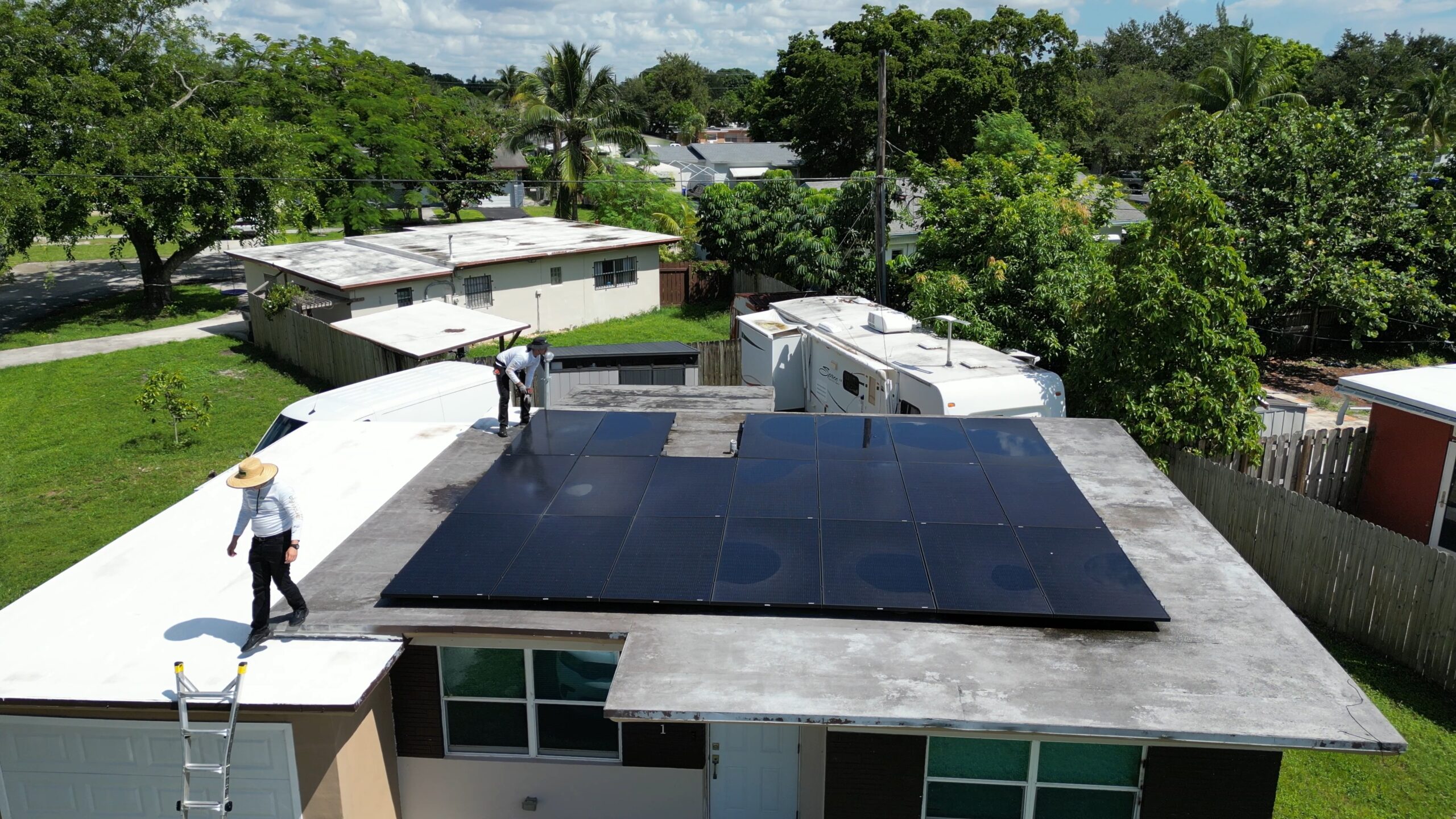
Selecting a solar panel installer in South Florida is a decision that impacts your property’s structural integrity and financial trajectory for the next 25 to 30 years. Miami-Dade County presents a unique set of challenges ranging from the High Velocity Hurricane Zone (HVHZ) building codes to the corrosive effects of salt-mist environments. Therefore, when evaluating the landscape of solar panel Miami providers, homeowners must look beyond the initial price tag. The services that truly matter are those that bridge the gap between a standard electrical setup and a high-performance renewable energy power plant integrated into your residence.

At GC Solar & Electric, we understand that a premium residential solar panel service is defined by technical precision and long-term support. A system is only as reliable as the company that stands behind the installation, ensuring that every bolt, wire, and micro-inverter is optimized for the tropical climate. You can explore our comprehensive service portfolio at gcsolarelectric.com.


Engineering and Structural Resilience in the HVHZ

One of the most critical services a top-tier installer provides is advanced structural engineering. In Miami, solar arrays must be capable of withstanding wind speeds exceeding 175 mph. A reputable solar panel installer does not use a “one-size-fits-all” mounting solution. Instead, they perform a site-specific engineering uplift calculation. This involves verifying the pull-out strength of the roof attachments and ensuring that the rail system distributes the load evenly across the rafters without compromising the water-tightness of the roof membrane.


Furthermore, being an experienced electrical contractor in Miami means understanding the integration with the local grid. This includes managing the net-metering application with Florida Power & Light (FPL) and ensuring that the main service panel can handle the back-feed of solar energy. Often, older homes require a Main Panel Upgrade (MPU) to meet current NEC (National Electrical Code) standards, a service that should be handled in-house to maintain quality control and project timelines.


Post-Installation Management and Energy Optimization

The relationship with your installer shouldn’t end when the last panel is clipped into place. The most important services after “flipping the switch” are real-time monitoring and rapid-response maintenance. A high-quality residential solar panel service includes a digital dashboard where homeowners can track production down to the individual module level. This transparency allows for the immediate identification of “underperformers” panels that might be shaded by a growing tree or affected by a localized hardware issue.


Additionally, the ability of the company to act as a full-service electrical contractor in Miami is vital for future-proofing. As homeowners transition to electric vehicles (EVs) or seek energy independence through battery storage (like the Tesla Powerwall), having an installer who can seamlessly integrate these technologies is a massive advantage. Choosing a company that offers holistic energy management not just panel mounting is what defines a successful long-term investment in the Miami solar market.


FAQs About Companies of Solar Panel Installation in Miami

How do I verify if a solar panel installer is qualified for Miami-Dade?

Check for a valid Florida State Certified Solar Contractor license (CVC) or a Certified Electrical Contractor license (EC). They must also demonstrate experience with HVHZ (High Velocity Hurricane Zone) compliance and local permitting.


Is it necessary to hire a licensed electrical contractor in Miami for solar?

Yes. Solar systems are complex electrical power generators. Only a licensed contractor ensures the wiring, grounding, and grid-tie connections meet the strict National Electrical Code (NEC) to prevent fire hazards.


What specific residential solar panel service is needed for hurricane season?

A pre-season inspection is vital. It involves checking the torque of every mounting bolt and ensuring that all wiring is securely managed so it doesn’t “wind-sail” or chafe against the roof during high winds.


Do companies of solar panel Miami handle the permitting process?

Reputable companies provide a “turnkey” service, meaning they handle everything from structural engineering and electrical plans to filing permits with the city and coordinating the final inspection.


What happens if my solar panel installer goes out of business?

This is why choosing established local companies is key. However, equipment warranties are usually through the manufacturer (like Enphase or Hanwha Q-Cells), but you would need a new local servicer to handle the labor.


Solar Panel Miami: Why Regular Maintenance Is Critical in Spring

Solar energy continues to grow rapidly in South Florida, with more homeowners investing in clean, renewable power. If you have a solar panel Miami installation on your home, maintaining the system properly is essential to ensure it performs at its best year after year. One of the most important times to schedule maintenance is during the spring season.

Spring in Florida brings warmer temperatures, increased sunlight, and the transition toward the intense summer weather patterns that include storms and heavy rain. Regular solar service during this period ensures your system is ready to handle these environmental changes while maintaining peak efficiency.


Homeowners throughout Miami-Dade trust experienced professionals like GC Solar & Electric to keep their solar systems operating safely and efficiently. You can learn more or request service at www.gcsolarelectric.com 


Why Spring Is the Best Time for Solar Maintenance

Spring serves as a preparation period for the more extreme weather conditions that arrive during summer and hurricane season. A seasonal inspection helps ensure that your solar panel Miami system is structurally secure and electrically safe before heavy storms occur. During spring maintenance, technicians typically look for:


  • Dirt, pollen, and debris buildup from winter months

  • Minor panel misalignment caused by seasonal winds

  • Early signs of corrosion in electrical connections

  • Inverter performance issues

  • Loose mounting hardware


Addressing these small issues early prevents larger problems later in the year.


How Florida Weather Impacts Solar Panels

Florida’s climate creates unique challenges for solar systems. High humidity, salt air near the coast, and frequent storms can gradually affect solar equipment. Without proper solar service, homeowners may experience:


  • Reduced energy production

  • Electrical component wear

  • Structural stress on mounting systems

  • Water infiltration around roof penetrations


Scheduling seasonal inspections ensures that these issues are detected before they impact system performance.


What a Professional Solar Service Includes

Professional residential solar panel service involves a full inspection and system optimization process. During a maintenance visit, a technician will typically perform:


  • Complete visual inspection of solar panels

  • Electrical system diagnostics

  • Inverter testing and performance checks

  • Mounting structure evaluation

  • Monitoring system analysis

  • Recommendations for repairs or adjustments


If any issues are detected, technicians can immediately provide solutions before they develop into costly repairs.


Why Hiring the Right Solar Technician Matters

When homeowners search for a solar panel technician near me, it’s important to choose experienced professionals familiar with Miami’s climate and building codes. Certified technicians understand how local conditions affect solar systems and can provide accurate diagnostics and safe repairs. They also ensure that all service work meets local electrical and structural standards. Working with a trusted provider ensures that your solar investment continues delivering maximum energy savings for decades.


Preparing Your Solar System for Summer

Spring maintenance is not only about fixing current issues—it’s also about preparing for the months ahead. Summer brings higher temperatures, stronger storms, and increased energy usage. Routine inspections help:


  • Ensure optimal solar production during peak sunlight months

  • Reduce the risk of storm-related damage

  • Extend the lifespan of solar equipment

  • Maintain safe electrical performance


A proactive maintenance strategy keeps your solar system reliable throughout the entire year.


FAQs About Solar Panel Miami 

1. How often should solar panels be serviced in Miami?

Most experts recommend at least one professional inspection per year, ideally during spring.


2. Does spring maintenance improve solar efficiency?

Yes. Cleaning, inspections, and adjustments can significantly improve energy production.


3. Can weather in Miami damage solar panels?

While panels are built to withstand harsh conditions, storms and humidity can affect mounting systems and electrical components over time.


4. Should I hire a certified technician for maintenance?

Yes. A qualified professional ensures safe service and protects system warranties.


5. What are signs my solar system needs maintenance?

Lower energy output, inverter warnings, or visible debris buildup may indicate the need for service.


Solar Panel Installer in Miami: When You Need Professional Reinstallation

Installing a solar energy system is one of the smartest investments homeowners can make, especially in a sunny region like South Florida. However, there are situations where the original installation may need to be adjusted, repaired, or even completely reinstalled. In these cases, hiring a professional solar panel installer becomes essential to protect your investment and ensure the system performs at its best.

Whether due to roof replacements, storm damage, or outdated equipment, solar panel reinstallation requires technical expertise and proper electrical knowledge. At GC Solar & Electric, our team specializes in evaluating existing systems and providing professional solutions tailored to homeowners in South Florida. If you are considering a solar system inspection or reinstallation, you can learn more at: www.gcsolarelectric.com 


Why Solar Panel Reinstallation May Be Necessary

Many homeowners assume that once a solar system is installed, it will remain untouched for decades. While solar panels are built to last 25 years or more, external factors often require adjustments or relocation.


A professional solar panel installer may recommend reinstallation when structural, electrical, or performance issues are detected. Some common reasons include:


  • Roof replacement or renovation

  • Hurricane or storm damage

  • Improper original installation

  • System upgrades or expansions

  • Relocation of panels for better sunlight exposure


Because South Florida weather conditions can be extreme, ensuring your solar panel Miami system is installed correctly is critical for long-term reliability.


Roof Replacement and Solar Panel Removal

One of the most common reasons homeowners need a professional solar panel installer is roof replacement. Solar panels must be safely removed before roofing work begins and then properly reinstalled afterward. This process involves:


  • Disconnecting electrical components safely

  • Removing mounting hardware

  • Protecting panels from damage

  • Reinstalling the system according to updated safety standards


Working with an experienced electrical contractor in Miami ensures the system is reconnected correctly and continues operating efficiently.


Hurricane Damage and Structural Adjustments

South Florida’s hurricane season can impact solar systems. Even when panels appear intact, the mounting structure or wiring may have been compromised. After severe storms, a professional inspection may reveal the need for:


  • Repositioning panels

  • Replacing damaged mounts

  • Re-securing roof attachments

  • Updating electrical connections


Professional residential solar panel service ensures the system remains safe and fully functional.


Upgrading or Expanding Your Solar System

As solar technology evolves, homeowners often upgrade their systems to improve efficiency. Adding new panels, installing better inverters, or expanding capacity may require partial reinstallation. A qualified solar panel installer can redesign the layout to maximize sunlight exposure and optimize energy production for your property.


The Importance of Hiring Qualified Professionals

Reinstalling a solar system is not a simple task. It requires expertise in electrical systems, roof structures, and local regulations. Hiring an experienced electrical contractor in Miami ensures:


  • Compliance with Florida building codes

  • Safe electrical connections

  • Proper mounting and weather resistance

  • Maximum system efficiency


Professional installers also help protect manufacturer warranties and prevent costly future repairs.


Why Homeowners Trust GC Solar & Electric

At GC Solar & Electric, we provide expert support for homeowners needing solar adjustments, repairs, or complete reinstallation. Our services include:


  • Professional solar system inspections

  • Panel removal and reinstallation

  • System upgrades and optimization

  • Residential solar panel service

  • Electrical contracting expertise


With extensive experience in South Florida’s climate and regulations, our team ensures every solar panel Miami system we work on meets the highest standards of safety and performance. To schedule a consultation or inspection, visit: www.gcsolarelectric.com 


FAQs About Solar Panel Installer in Miami

1. When do I need a solar panel installer for reinstallation?

When replacing your roof, upgrading your system, or repairing storm damage.


2. Can solar panels be removed and reinstalled safely?

Yes, but only by qualified professionals with electrical and solar expertise.


3. How long does solar panel reinstallation take?

Typically one to two days depending on the system size and roof conditions.


4. Do I need an electrical contractor in Miami for solar work?

Yes. Solar systems involve electrical connections that require licensed professionals.


5. Will reinstallation affect my system efficiency?

If done correctly by an experienced solar panel installer, efficiency may even improve.


Residential Solar Panel Service: How to Extend Your System’s Lifespan

Investing in solar energy is one of the smartest decisions a homeowner in South Florida can make. Solar systems reduce electricity costs, increase property value, and support a more sustainable lifestyle. However, like any advanced technology installed on your home, solar systems require professional care to maintain optimal performance. That’s where residential solar panel service becomes essential.

Many homeowners believe solar panels are completely maintenance-free, but regular inspections and servicing are critical for maximizing efficiency and extending the lifespan of your system. Without proper maintenance, small issues can develop into costly repairs or long-term energy loss.


At GC Solar & Electric, homeowners across Miami trust expert technicians to keep their solar systems operating safely and efficiently. You can learn more about professional solar services or schedule an inspection at www.gcsolarelectric.com.


Why Residential Solar Panel Service Is Important

A solar energy system is made up of several interconnected components including panels, wiring, mounting structures, inverters, and monitoring systems. Over time, weather conditions, debris, humidity, and natural wear can impact performance. Professional residential solar panel service helps ensure:


  • Maximum energy production

  • Early detection of electrical issues

  • Protection against storm-related damage

  • Extended lifespan of equipment

  • Compliance with safety and building codes


Regular maintenance keeps your solar investment working efficiently for decades.


Common Issues That Affect Solar Panel Performance

In Miami’s tropical climate, several factors can affect the efficiency of solar systems. These include:


Debris and Dirt Buildup

Leaves, dust, and bird droppings can accumulate on panels and block sunlight, reducing energy output.


Electrical Component Wear

Connections and wiring may degrade over time due to heat and humidity.


Mounting System Stress

Strong winds and seasonal storms can shift panel alignment or loosen mounting hardware.


Inverter Problems

Inverters convert solar energy into usable electricity, and they may experience performance issues after years of operation.


When these issues arise, many homeowners begin searching online for solar panel repair near me to restore their system’s performance.


What’s Included in a Professional Solar Service

A comprehensive solar service goes beyond basic cleaning. Certified technicians typically perform a full system evaluation that includes:


  • Detailed inspection of solar panels

  • Electrical connection testing

  • Inverter diagnostics and performance checks

  • Structural mounting inspection

  • Monitoring system analysis

  • Identification of potential repair needs


This type of proactive service allows homeowners to address problems before they become expensive failures.


The Benefits of Routine Solar Maintenance in Miami

Homeowners with solar panel Miami installations benefit significantly from scheduled maintenance. Preventative servicing helps:


  • Maintain peak system efficiency

  • Avoid unexpected breakdowns

  • Extend equipment life beyond 25 years

  • Ensure safe operation of electrical components

  • Preserve manufacturer warranties


Routine inspections are particularly important in South Florida due to extreme weather conditions and hurricane seasons.


How Often Should Solar Panels Be Serviced?

Most experts recommend professional residential solar panel service at least once per year. However, additional inspections may be necessary after:


  • Severe storms or hurricanes

  • Noticeable drops in energy production

  • Electrical warnings from the inverter

  • Roof repairs or structural changes


Proactive care ensures that small issues never become major system failures.


FAQs About Residential Solar Panel Service

1. How long do residential solar panels typically last?

Most solar panels last between 25 and 30 years with proper maintenance.


2. Do solar panels require regular servicing?

Yes. Annual residential solar panel service helps maintain efficiency and detect issues early.


3. What are signs my solar system needs repair?

Lower energy production, inverter errors, or visible panel damage are common indicators.


4. Can maintenance improve solar panel efficiency?

Absolutely. Cleaning, inspections, and minor adjustments can significantly improve performance.


5. Who should perform solar maintenance?

Always hire trained professionals experienced in solar panel Miami systems and local regulations.


Enphase Repair: Fast Solutions for Faulty Solar Systems

Solar energy systems are designed to operate reliably for decades, but even the most advanced technology can occasionally experience technical issues. If your solar system uses Enphase microinverters and you notice reduced energy production, system alerts, or monitoring errors, you may need professional Enphase repair to restore optimal performance.

Enphase technology is known for its high efficiency and module-level optimization, but when a microinverter or communication component fails, it can affect the performance of individual panels or the entire system. Fast diagnosis and proper Enphase troubleshooting are essential to prevent prolonged energy loss. At GC Solar & Electric, our technicians specialize in identifying and repairing Enphase system issues quickly and safely. To learn more about our services or schedule a system inspection, visit: www.gcsolarelectric.com


Understanding How Enphase Systems Work

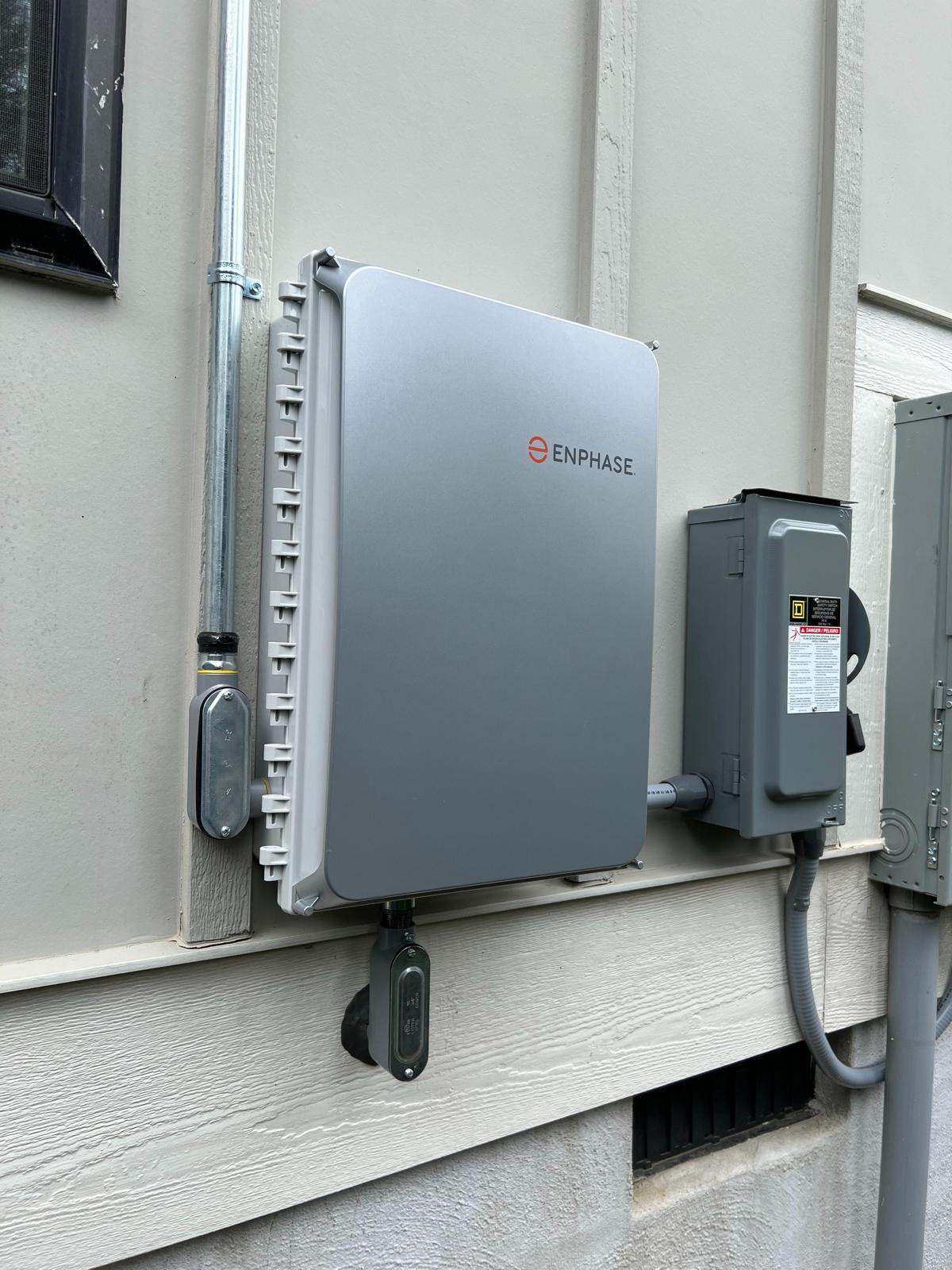
Unlike traditional solar systems that rely on a single central inverter, Enphase technology uses microinverters installed beneath each solar panel. These devices convert direct current (DC) energy into alternating current (AC) individually at the panel level. This design offers several advantages:


  • Improved energy production

  • Panel-level monitoring

  • Better performance in partial shading

  • Increased system reliability


However, when a microinverter or communication gateway encounters a fault, professional Enphase repair may be required to restore full system performance.


Common Enphase Problems Homeowners Experience

Homeowners searching for solar panels repair near me often discover that the issue originates in the inverter system. Some of the most common Enphase problems include:


Microinverter Failure

A malfunctioning microinverter can prevent one or more panels from producing electricity. This issue may appear in the monitoring platform as a panel with zero or reduced output. Professional Enphase troubleshooting typically involves testing the microinverter, inspecting wiring, and verifying panel connections.


Communication Errors

Enphase systems rely on a communication gateway (Envoy) to send production data to the monitoring platform. If communication fails, homeowners may notice missing or delayed data. Possible causes include:


  • Internet connectivity issues

  • Gateway configuration problems

  • Firmware errors


While some communication issues are simple to resolve, others require professional residential solar panel service.


Reduced System Production

If your system suddenly produces less energy than usual, a technician may need to evaluate the performance of each panel and microinverter. In many cases, Enphase repair can quickly restore lost efficiency by identifying the affected component.


Overheating or Electrical Faults

South Florida’s climate characterized by intense heat and humidity can put additional stress on electrical components. Over time, connectors, wiring, or microinverters may require maintenance or replacement. Homeowners experiencing these issues often begin by searching for solar panels repair near me, which leads them to professional solar technicians.


Why Professional Enphase Troubleshooting Matters

Solar systems involve high-voltage electrical components and complex monitoring technology. Attempting DIY repairs can lead to safety risks and may void manufacturer warranties. Professional technicians performing Enphase troubleshooting can:


  • Diagnose microinverter faults

  • Inspect wiring and electrical connections

  • Replace faulty components

  • Verify proper system communication

  • Restore optimal system efficiency


Regular residential solar panel service also helps prevent recurring issues and keeps the system running smoothly.


Why Choose GC Solar & Electric

At GC Solar & Electric, we specialize in diagnosing and repairing Enphase systems for homeowners throughout South Florida. Our team provides:


  • Expert Enphase repair services

  • Complete Enphase troubleshooting diagnostics

  • Solar panels repair near me solutions

  • Residential solar panel service inspections

  • Preventive maintenance for long-term performance


With experience working in Florida’s challenging climate, our technicians know how to quickly identify and resolve system issues. If your Enphase system is showing errors or producing less energy than expected, schedule a professional inspection today: www.gcsolarelectric.com 


FAQs About Enphase Repair

1. What does Enphase repair involve?

It includes diagnosing microinverter issues, checking wiring, and restoring proper system communication.


2. How do I know if my Enphase system needs repair?

Signs include reduced energy production, monitoring errors, or inactive solar panels.


3. Can I perform Enphase troubleshooting myself?

Basic monitoring checks are possible, but electrical diagnostics should be handled by professionals.


4. How long does an Enphase repair take?

Most repairs or diagnostics take one to two hours depending on the issue.


5. Is residential solar panel service necessary for Enphase systems?

Yes, routine inspections help maintain system efficiency and detect early issues.


SolarEdge Inverter Troubleshooting: Common Error Codes Explained

Modern solar systems rely on advanced technology to convert sunlight into usable electricity for your home. One of the most critical components in this process is the inverter. If you own a SolarEdge system, you may occasionally encounter warning lights or error codes that require SolarEdge inverter troubleshooting. Understanding what these error codes mean can help homeowners act quickly before minor issues become major problems. In many cases, professional solar service is required to diagnose and resolve inverter faults safely. 

At GC Solar & Electric, our team frequently assists homeowners who need expert diagnostics and repairs for SolarEdge systems. If you suspect inverter issues, you can schedule a professional inspection at: www.gcsolarelectric.com 


Why the SolarEdge Inverter Is So Important

The inverter is often referred to as the “brain” of a solar energy system. It converts the direct current (DC) produced by solar panels into alternating current (AC) that powers your home. When inverter errors occur, the entire solar system can stop producing electricity. That’s why SolarEdge inverter troubleshooting is essential to maintain energy production and avoid higher electricity bills. In areas like South Florida, where heat, humidity, and storms are common, professional solar service helps ensure the inverter operates safely and efficiently.


Common SolarEdge Error Codes and What They Mean

While some inverter alerts are minor notifications, others indicate issues that require immediate attention. Here are several common SolarEdge error codes homeowners may encounter.


Error Code 18 – Arc Fault Detected

This warning indicates that the inverter has detected a possible arc fault in the DC circuit. Arc faults occur when electrical connections become loose or damaged. Possible causes include:


  • Damaged wiring

  • Loose connectors

  • Moisture intrusion

  • Degraded insulation


Because arc faults can create fire hazards, this issue should be addressed immediately by professionals. If you are searching for solar panel repair near me, a certified technician can safely inspect and repair the system.


Error Code 25 – Isolation Fault

This error means the system has detected abnormal electrical leakage between the DC circuit and ground. Common causes include:


  • Damaged cables

  • Water intrusion in connectors

  • Faulty panel components


A professional inspection by certified solar technicians Miami-Dade can identify the source of the fault and restore system safety.


Error Code 33 – Grid Voltage Issue

This code indicates the inverter is receiving unstable voltage from the utility grid. Possible reasons include:


  • Utility grid fluctuations

  • Loose AC wiring

  • Electrical panel issues


In some cases, this problem resolves itself once grid conditions stabilize. However, if it persists, professional solar service is recommended.


Error Code 64 – Communication Failure

This error occurs when the inverter loses communication with the monitoring platform. Potential causes include:


  • Internet connectivity problems

  • Router configuration issues

  • Communication hardware faults


While homeowners can sometimes resolve connectivity issues, persistent communication failures should be evaluated by a technician.


Signs Your SolarEdge Inverter Needs Professional Inspection

Even if error codes appear temporarily, recurring inverter issues may indicate deeper system problems. Warning signs include:


  • Frequent inverter shutdowns

  • Reduced solar energy production

  • Warning lights or persistent alerts

  • Monitoring system disconnections


If these issues appear, searching for solar panel repair near me is the right step to prevent prolonged system downtime.


Why Professional Solar Service Matters

Solar inverters handle high-voltage electricity, which means troubleshooting should always be performed by trained professionals. Experienced certified solar technicians Miami-Dade can:


  • Diagnose inverter error codes

  • Test electrical connections

  • Replace faulty components

  • Restore system efficiency


Professional service ensures your solar system continues delivering the energy savings you expect.


Why Homeowners Choose GC Solar & Electric

At GC Solar & Electric, we specialize in diagnosing and repairing inverter issues for residential solar systems throughout South Florida. Our services include:


  • SolarEdge inverter troubleshooting

  • Full solar system diagnostics

  • Solar panel repair near me services

  • Preventive solar service inspections

  • Support from certified solar technicians Miami-Dade


Our team understands the environmental challenges of Florida and provides reliable solutions designed to keep your solar system running smoothly. If your inverter is displaying error codes or performance issues, schedule a professional evaluation today: www.gcsolarelectric.com 


FAQs About SolarEdge Inverter Troubleshooting

1. What does SolarEdge inverter troubleshooting involve?

It includes diagnosing error codes, checking electrical connections, and testing system performance.


2. Can I fix SolarEdge error codes myself?

Some communication errors may be simple, but most issues require professional solar service.


3. Why does my SolarEdge inverter keep shutting down?

Frequent shutdowns may indicate electrical faults, grid issues, or internal inverter problems.


4. How long does inverter repair take?

Most diagnostic inspections take one to two hours depending on the issue.


5. Should I call certified solar technicians Miami-Dade for inverter problems?

Yes. Certified professionals ensure safe and accurate repairs.


Enphase Installing: When System Expansion Is the Right Choice

As more homeowners adopt renewable energy, solar technology continues evolving to offer greater flexibility, efficiency, and scalability. One of the most innovative solutions in residential solar systems is the use of Enphase microinverters. These devices allow each panel to operate independently, making system expansion much easier. However, deciding when to move forward with enphase installing for system expansion requires careful planning and professional guidance.

Many homeowners in South Florida begin with a solar system designed to meet their current energy needs. Over time, changes such as increased electricity consumption, electric vehicle charging, or home renovations can make system expansion a smart investment. Adding additional solar capacity through professional installation ensures your system continues delivering reliable energy savings.


At GC Solar & Electric, homeowners across Miami trust experienced professionals for solar system upgrades and expansion projects. You can learn more about installation services at www.gcsolarelectric.com.


How Enphase Technology Supports Solar System Expansion

Traditional solar systems rely on a single central inverter, which can make expansion difficult or inefficient. Enphase microinverters, however, are installed on each individual panel, allowing new panels to be integrated seamlessly into an existing system. Because of this modular design, enphase installing offers several advantages when expanding a residential solar system:


  • Independent performance for each solar panel

  • Easier integration of new panels into existing systems

  • Greater system reliability

  • Improved monitoring capabilities

  • Flexible upgrades as energy needs grow


This flexibility makes Enphase systems particularly popular for homeowners planning long-term solar investments.


Signs It May Be Time to Expand Your Solar System

There are several situations where homeowners begin considering system expansion.


Increased Energy Consumption

Adding appliances, electric vehicles, or home additions can significantly increase electricity demand.


Lower Utility Savings Than Expected

If your system no longer covers most of your energy usage, expanding capacity may restore your savings.


New Solar Technologies Available

Modern panels and microinverters are often more efficient than older equipment.


Preparing for Future Energy Needs

Some homeowners expand their system in advance of installing EV chargers or battery storage.


When these changes occur, consulting a professional solar panel installer helps determine the most efficient way to upgrade your system.


Why Professional Installation Matters

Expanding a solar system is more complex than simply adding extra panels. A qualified installer must evaluate several factors before beginning enphase installing:


  • Current system capacity and compatibility

  • Roof space and structural considerations

  • Electrical panel capacity

  • Inverter integration

  • Local permitting requirements


Experienced technicians ensure that new components work seamlessly with your existing system and comply with local building codes.


The Role of Ongoing Solar Service

Once a system expansion is complete, ongoing residential solar panel service helps maintain optimal performance. Regular inspections ensure that both the original and newly installed panels operate efficiently together. Professional solar service typically includes:


  • System performance monitoring

  • Electrical connection inspections

  • Inverter diagnostics

  • Structural mounting evaluations


These services help maintain long-term reliability and maximize energy production.


Solar Expansion in Miami Homes

Homeowners with solar panel Miami installations often expand their systems as their energy needs evolve. South Florida’s abundant sunshine makes solar expansion particularly beneficial for increasing energy independence and reducing reliance on the electrical grid. Upgrading your system can significantly improve overall production and help you keep up with modern energy demands.


FAQs About Enphase Installing

1. Can I expand my solar system after installation?

Yes. Many systems, especially those using Enphase microinverters, can be expanded easily.


2. How do I know if my system supports expansion?

A professional solar panel installer can evaluate your current setup and determine compatibility.


3. Do I need permits to add solar panels?

Yes. Most expansions require local permits and inspections.


4. Will new panels work with older ones?

In most cases, yes, but compatibility should be confirmed by a professional technician.


5. Does expanding a solar system increase energy savings?

Yes. Additional panels can significantly increase electricity production and reduce utility costs.


Commercial EV Charger Installation Miami: Integrating Solar and EV Charging

As electric vehicles continue to grow in popularity, businesses are increasingly investing in EV charging infrastructure. For companies in South Florida, commercial EV charger installation Miami is becoming an important strategy not only for sustainability but also for attracting customers, tenants, and employees who drive electric vehicles.

Integrating EV charging stations with solar energy systems is one of the most efficient and forward-thinking solutions available today. Businesses can reduce electricity costs, support clean energy initiatives, and future-proof their facilities by combining solar generation with EV charging infrastructure. At GC Solar & Electric, we specialize in helping businesses implement these integrated energy solutions. To learn more about our services, visit: www.gcsolarelectric.com


Why Businesses Are Installing EV Chargers

Electric vehicle adoption is accelerating across the United States, and Miami is no exception. Hotels, shopping centers, office buildings, and commercial properties are installing EV charging stations to meet the growing demand. A professional commercial EV charger installation Miami offers several benefits:


  • Attracts EV-driving customers and tenants

  • Increases property value

  • Supports sustainability initiatives

  • Generates potential new revenue streams

  • Demonstrates commitment to modern infrastructure


With the right planning and installation, EV charging stations can become a long-term asset for any commercial property.


The Advantage of Integrating Solar Energy

Combining solar power with EV charging creates a highly efficient energy ecosystem. Solar panels can generate electricity during the day, which can then be used to power charging stations. This integration reduces dependence on the grid and helps businesses manage energy costs more effectively. Companies that already have solar systems can expand their infrastructure with solar service evaluations to ensure their systems can support EV charging demand.


Electrical Infrastructure Requirements

Installing commercial EV chargers requires careful planning and electrical expertise. An experienced electrical contractor in Miami evaluates the existing infrastructure before installation begins. This process typically includes:


  • Electrical capacity assessment

  • Panel and transformer evaluation

  • Load calculations

  • Utility coordination

  • Permit and code compliance


These steps ensure that the charging stations operate safely and efficiently without overloading the building’s electrical system.


EV Charger Installation for New Construction Projects

For new commercial developments, integrating EV charging during the design phase is the most efficient approach. A new construction electrician in Miami-Dade can work alongside architects and contractors to design electrical systems that support EV infrastructure from the beginning. Planning EV chargers during construction offers several advantages:


  • Lower installation costs

  • Simplified electrical routing

  • Better system scalability

  • Compliance with future EV readiness regulations


This proactive approach ensures the building is ready for the rapid growth of electric vehicles.


Choosing the Right Charging Solution

There are several types of commercial EV chargers available, including Level 2 and DC fast chargers. The right option depends on the type of business, parking duration, and energy demand. An experienced electrical contractor in Miami can help determine the best solution based on:


  • Available electrical capacity

  • Parking structure layout

  • Customer charging needs

  • Integration with solar power systems


Professional installation ensures reliability, safety, and long-term performance.


Why Businesses Choose GC Solar & Electric

At GC Solar & Electric, we help commercial property owners implement modern energy solutions tailored to South Florida’s infrastructure and regulations. Our services include:


  • Commercial EV charger installation Miami

  • Solar integration for EV charging systems

  • Solar service inspections and upgrades

  • Electrical contracting for commercial facilities

  • Support from experienced new construction electrician in Miami-Dade


Our team understands the technical and regulatory requirements involved in installing EV infrastructure and works closely with businesses to deliver efficient, future-ready energy solutions. To schedule a consultation or learn more about EV charging and solar integration, visit: www.gcsolarelectric.com


FAQs About Commercial EV Charger Installation Miami

1. What is commercial EV charger installation Miami?

It is the professional installation of electric vehicle charging stations for businesses and commercial properties.


2. Can EV chargers be powered by solar panels?

Yes. Solar systems can generate electricity used to charge electric vehicles, reducing grid dependence.


3. Do businesses need an electrical contractor in Miami for EV charger installation?

Yes, licensed electrical contractors ensure the system meets safety codes and electrical capacity requirements.


4. Should EV chargers be included in new construction projects?

Yes. Working with a new construction electrician in Miami-Dade allows EV infrastructure to be integrated efficiently.


5. Do EV chargers require ongoing solar service or maintenance?

Periodic inspections help maintain safety, efficiency, and system performance.


Electrical Contractor in Miami for Solar System Support

Solar energy systems have become an essential part of modern homes in South Florida. From reducing electricity bills to increasing property value, solar power offers long-term benefits for homeowners. However, maintaining and supporting these systems requires more than just solar panel knowledge; it requires the expertise of a qualified electrical contractor in Miami.

Solar installations involve complex electrical components, including inverters, wiring, electrical panels, and grid connections. When issues arise or upgrades are needed, having an experienced electrical contractor ensures that your solar system continues operating safely and efficiently. At GC Solar & Electric, homeowners across Miami-Dade rely on experienced professionals who combine electrical expertise with solar industry knowledge. If you need professional assistance or system support, you can learn more at www.gcsolarelectric.com.


The Role of an Electrical Contractor in Solar Systems

A professional electrical contractor in Miami plays a crucial role in the installation, maintenance, and troubleshooting of solar energy systems. Solar panels generate electricity that must be safely integrated into your home’s electrical infrastructure. Electrical contractors handle important tasks such as:


  • Connecting solar systems to the home’s electrical panel

  • Installing and configuring inverters

  • Ensuring proper grounding and surge protection

  • Upgrading electrical panels for solar compatibility

  • Inspecting wiring and system safety


Working with experienced professionals ensures that your system operates safely and complies with local electrical codes.


Why Solar Systems Require Electrical Expertise

Solar technology involves high-voltage electrical components that require specialized handling. Even minor installation errors can cause safety hazards or system inefficiencies. That’s why many homeowners rely on certified solar technicians Miami-Dade who understand both electrical engineering principles and solar system architecture. An experienced electrical contractor can diagnose issues such as:


  • Faulty wiring connections

  • Inverter malfunctions

  • Circuit overloads

  • Electrical panel limitations

  • Monitoring system failures


Professional diagnostics help prevent larger system failures and ensure consistent energy production.


Solar Panel Installation and Electrical Integration

A qualified solar panel installer must coordinate closely with electrical contractors to ensure the system is properly integrated into the home’s power infrastructure. This includes:


  • Evaluating the capacity of the electrical panel

  • Installing dedicated circuits for solar equipment

  • Connecting the system to the utility grid

  • Ensuring compliance with safety and building codes


Proper installation ensures the solar system functions efficiently and safely for decades.


The Importance of Ongoing Solar Service

Even after installation, solar systems benefit from regular solar service to maintain peak performance. Electrical contractors often assist with inspections, diagnostics, and upgrades. Routine service may include:


  • Electrical safety checks

  • Wiring inspections

  • Inverter testing

  • System performance monitoring

  • Preventative maintenance recommendations


Regular maintenance helps identify small electrical issues before they lead to costly repairs.


Electrical Support for New Construction Projects

Solar systems are increasingly being integrated into new homes throughout South Florida. During construction, an experienced electrical contractor in Miami can help design an electrical system that supports solar technology from the start. Early planning allows homeowners to:


  • Install solar-ready electrical panels

  • Prepare wiring for future solar installations

  • Integrate battery storage systems

  • Optimize energy efficiency for the entire home


Working with professionals ensures the home is fully prepared for renewable energy solutions.


FAQs About Electrical Contractor in Miami

1. Why do solar systems require an electrical contractor?

Solar systems connect directly to your home’s electrical infrastructure and must be installed safely and according to code.


2. Can any electrician work on a solar system?

Not always. It’s best to hire certified solar technicians Miami-Dade with experience in solar installations.


3. What electrical upgrades might be required for solar panels?

Some homes may need electrical panel upgrades or additional circuits to support solar equipment.


4. Do electrical contractors help with solar troubleshooting?

Yes. They diagnose wiring issues, inverter problems, and system integration concerns.


5. Should electrical systems be inspected after solar installation?

Yes. Routine solar service helps ensure long-term safety and efficiency.


New Construction Electrician in Miami-Dade: Preparing Homes for Solar Integration

Building a new home offers the perfect opportunity to design an electrical system that is ready for the future of energy. As solar power becomes increasingly popular in South Florida, many homeowners and builders are working with a new construction electrician in Miami-Dade to ensure their homes are prepared for solar integration from the very beginning.

Planning solar compatibility during construction is far more efficient and cost-effective than retrofitting an electrical system later. A properly designed electrical infrastructure allows homeowners to install solar panels easily, maximize energy efficiency, and reduce long-term utility costs.


At GC Solar & Electric, we help developers, builders, and homeowners design electrical systems that support modern energy technologies. To learn more about our services, visit: www.gcsolarelectric.com 


Why Solar-Ready Homes Are Becoming the Standard

Across Florida, solar energy adoption continues to grow as homeowners look for ways to reduce electricity costs and increase property value. Designing homes with solar compatibility in mind allows for faster and simpler installation of solar energy systems in the future.


A qualified new construction electrician in Miami-Dade works closely with builders and architects to ensure the home’s electrical infrastructure can support solar energy from day one. Solar-ready construction often includes:


  • Adequate electrical panel capacity

  • Dedicated conduit pathways for solar wiring

  • Roof space planning for solar panels

  • Proper breaker panel configuration

  • Compatibility with energy storage systems


These steps make it easier for a solar panel installer to connect the system without major electrical modifications.


The Role of an Electrical Contractor in New Construction

A professional electrical contractor in Miami plays a critical role in designing and installing the electrical systems for a new home. This includes ensuring that all wiring, electrical panels, and safety components comply with local codes and regulations. When solar integration is planned in advance, the electrical contractor can incorporate features that simplify future solar installation. This includes:


  • Installing larger electrical service panels

  • Preparing circuits for solar energy input

  • Ensuring compatibility with EV chargers or battery systems

  • Creating pathways for future solar wiring


These preparations ensure the home is ready when the homeowner decides to install a solar panel for home energy production.


Electrical Infrastructure Required for Solar Systems

Solar systems require proper electrical infrastructure to operate safely and efficiently. Planning this infrastructure during construction reduces installation costs and prevents expensive modifications later. A new construction electrician in Miami-Dade typically prepares homes for solar by:


  • Installing appropriately sized electrical panels

  • Allocating space for solar breakers

  • Preparing wiring routes from roof to electrical panel

  • Ensuring grounding and safety compliance


These preparations allow a solar panel installer to integrate the system seamlessly once the homeowner is ready to go solar.


Benefits of Planning Solar During Construction

Preparing a home for solar energy during construction provides several advantages for homeowners. These benefits include:


  • Lower future installation costs

  • Faster solar installation process

  • Higher home resale value

  • Reduced energy bills

  • Increased energy independence


Homes designed with solar readiness in mind are also more attractive to buyers who prioritize sustainability and energy efficiency.


Why Homeowners Choose GC Solar & Electric

At GC Solar & Electric, we specialize in electrical solutions for new construction projects across Miami-Dade. Our team works with builders and homeowners to design energy-ready homes that can easily integrate solar systems in the future. Our services include:


  • Work from experienced new construction electrician in Miami-Dade professionals

  • Residential electrical design and installation

  • Solar integration planning

  • Support from a qualified electrical contractor in Miami

  • Preparation for future solar panel for home systems


With deep knowledge of local building codes and solar technologies, we help ensure that every new home is prepared for the next generation of energy solutions. To request a consultation or learn more about our services, visit: www.gcsolarelectric.com 


FAQs About New Construction Electrician in Miami-Dade

1. What does a new construction electrician in Miami-Dade do?

They design and install electrical systems for new homes while ensuring compliance with local building codes.


2. Can solar systems be integrated during home construction?

Yes. Planning solar integration during construction makes installation easier and more affordable.


3. Why hire an electrical contractor in Miami for solar-ready homes?

Licensed contractors ensure proper electrical infrastructure and code compliance.


4. Do I need a solar panel installer if my home is solar-ready?

Yes, a professional installer connects the solar system when you decide to install panels.


5. Can a solar panel for home system be added later?

Yes. Solar-ready homes are specifically designed to allow easy future installation.

 
Call Us Now (305) 723-9806